Worship
Sanctuary space already exists
The building includes a dedicated sanctuary and additional assembly space, reducing the gap between purchase and worship use compared with a non-institutional building.
Church leadership brief | Medford, Massachusetts
A rare inner-core opportunity for a congregation seeking a permanent home: existing sanctuary and assembly space, classrooms, fellowship hall, kitchen infrastructure, dedicated parking across the street, and walkable Green Line access.
Leadership Summary
A church acquisition works only when the ministry vision, weekly operations, financing path, and long-term stewardship plan can all support the same decision. This site gives leadership a practical starting point on each of those questions.
The building includes a dedicated sanctuary and additional assembly space, reducing the gap between purchase and worship use compared with a non-institutional building.
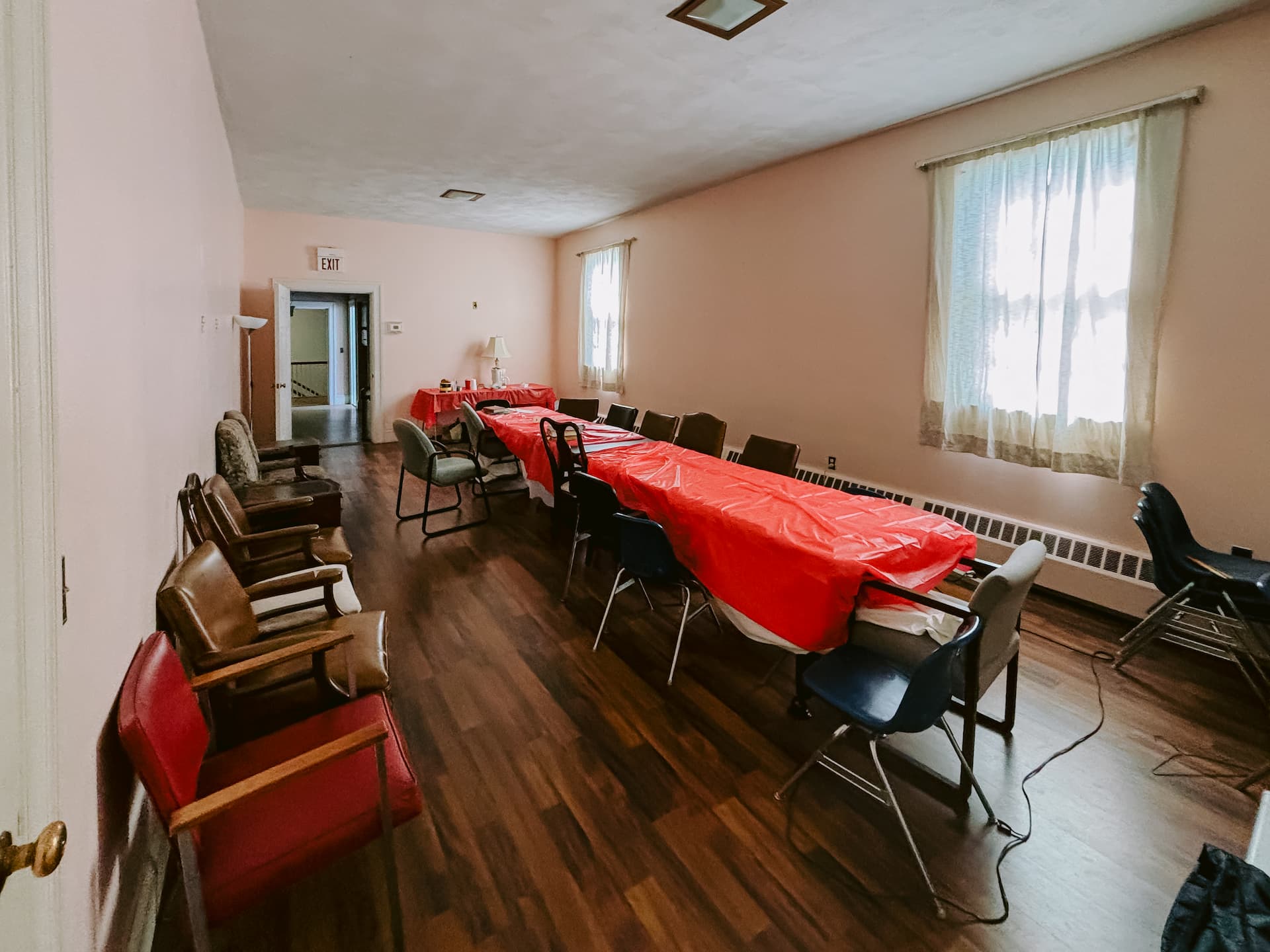
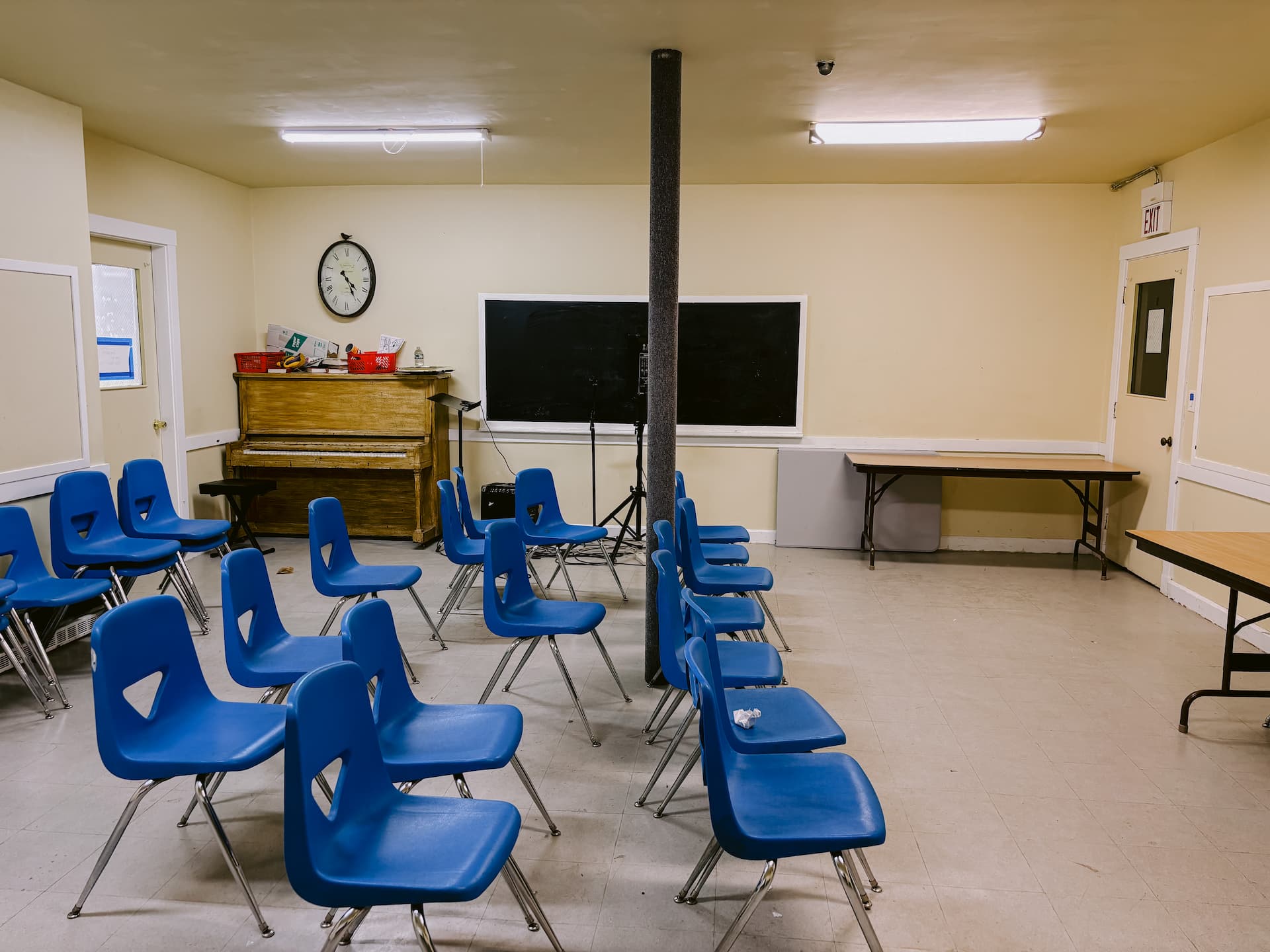
Multiple classrooms, offices, and meeting areas support Sunday school, discipleship, counseling, administration, volunteer training, and weekday ministry.
The lower-level fellowship hall and kitchen areas give the congregation room for meals, events, partner use, and recurring programs that can support ownership.
101 Winthrop provides dedicated surface parking across the street, a major advantage for Sunday services, families, older members, events, and weekday tenants.
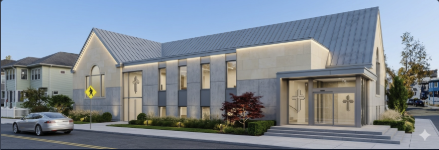
Church Home Concepts
A church leadership team should evaluate 100 and 101 Winthrop together: one parcel provides the ministry building, and the other protects arrival, parking, events, staff access, and partner-congregation logistics.
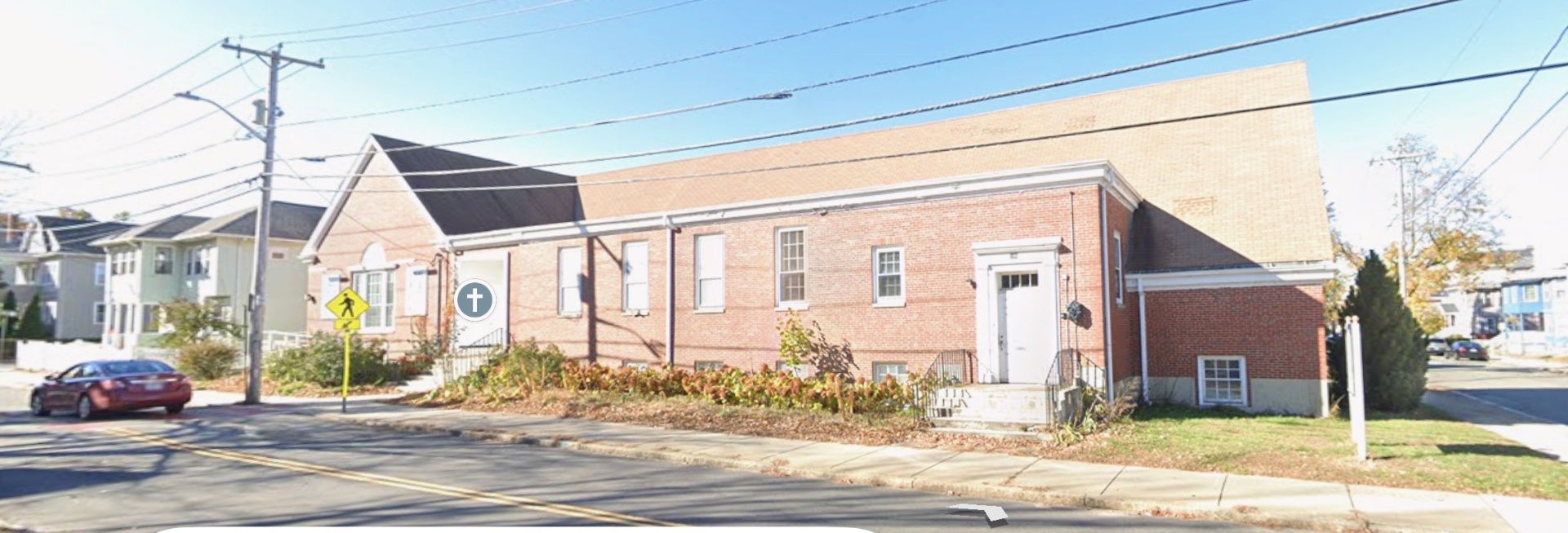
100 Winthrop St
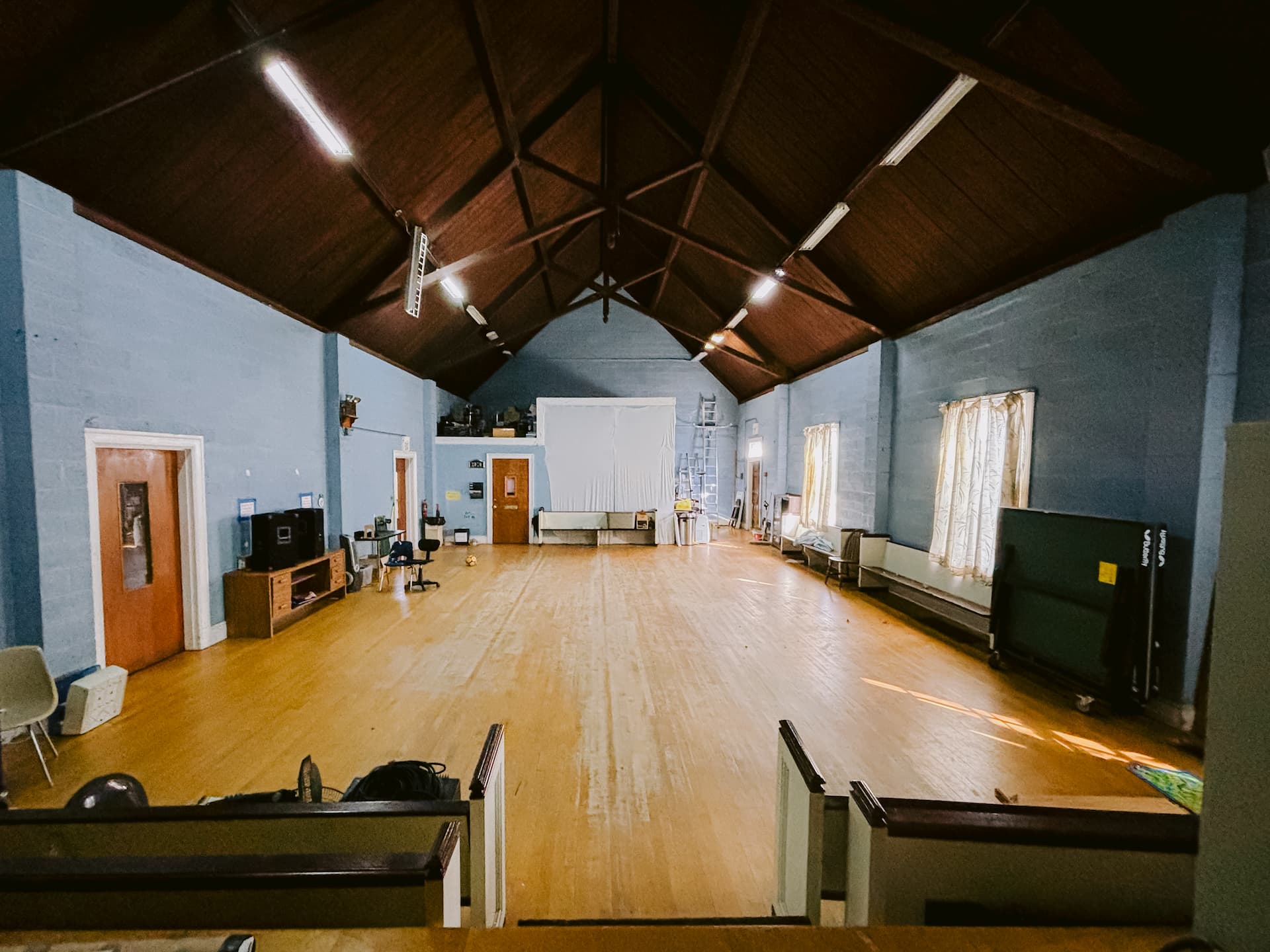
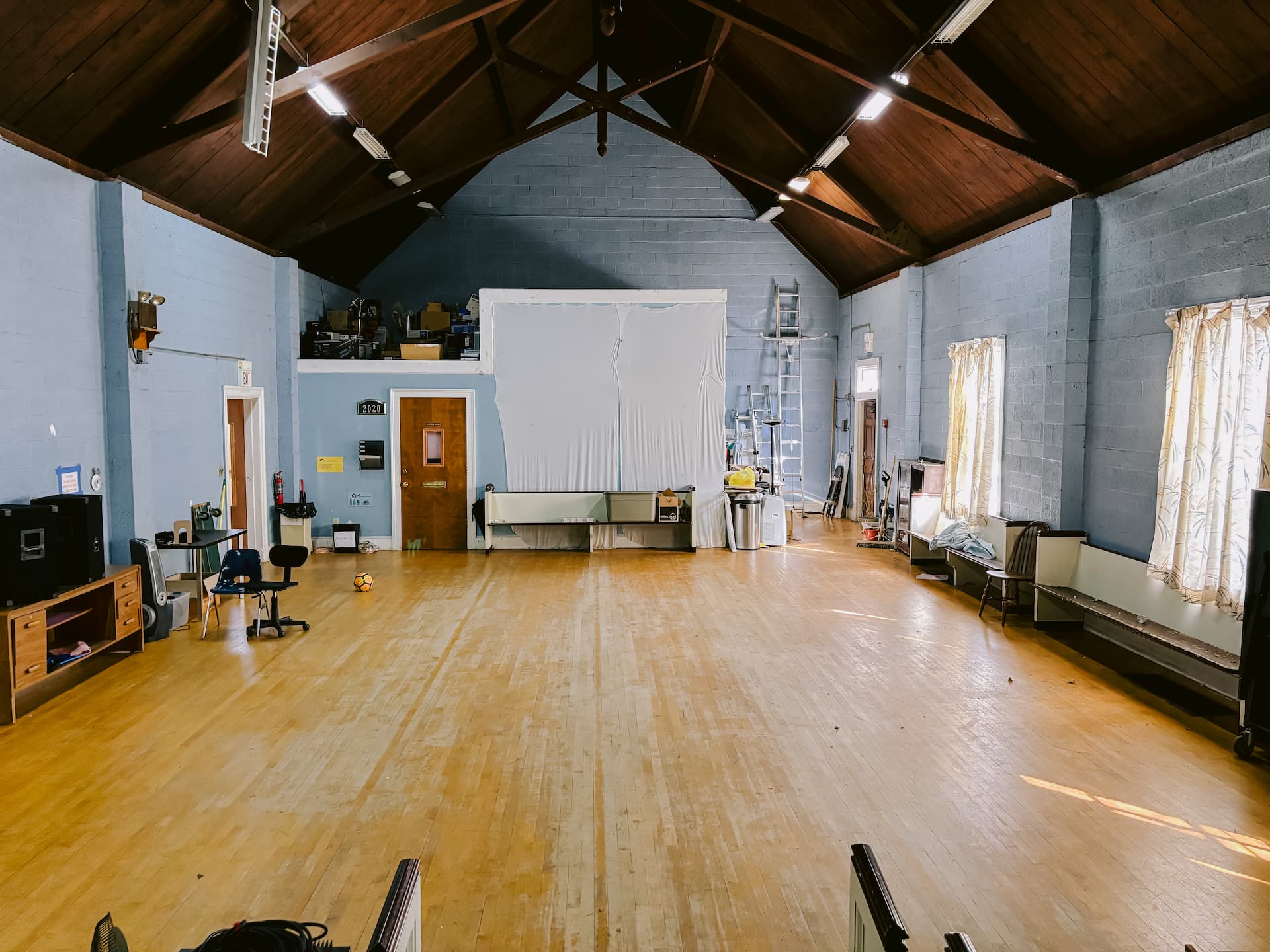
100 Winthrop is the core church-home asset: sanctuary, auditorium, fellowship hall, classrooms, offices, kitchens, and support rooms in one existing institutional building.
101 Winthrop St
101 Winthrop should be read as the operating support parcel for the church: a practical answer to arrival, parking, overflow, special events, and weekday shared-use needs.
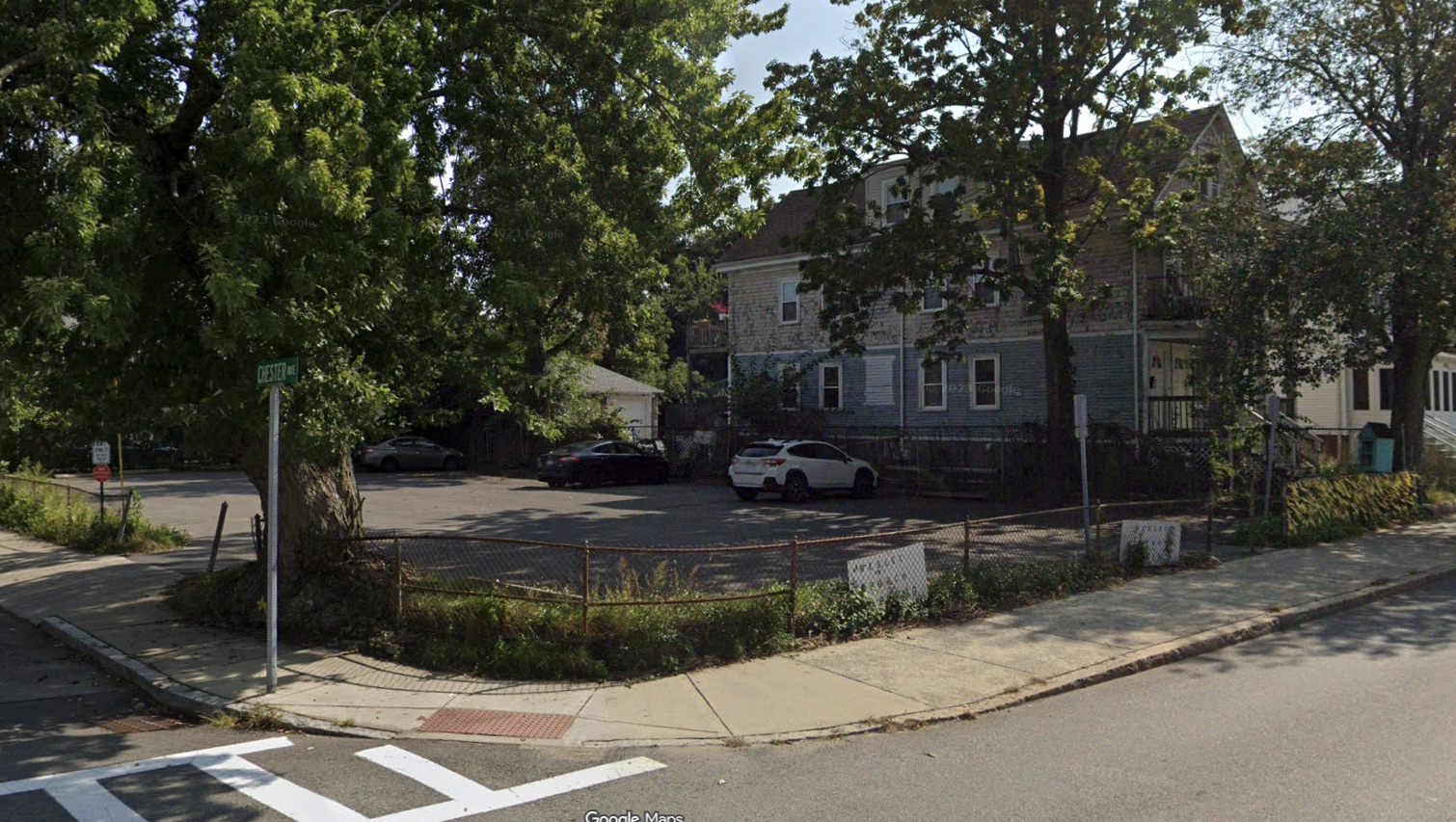
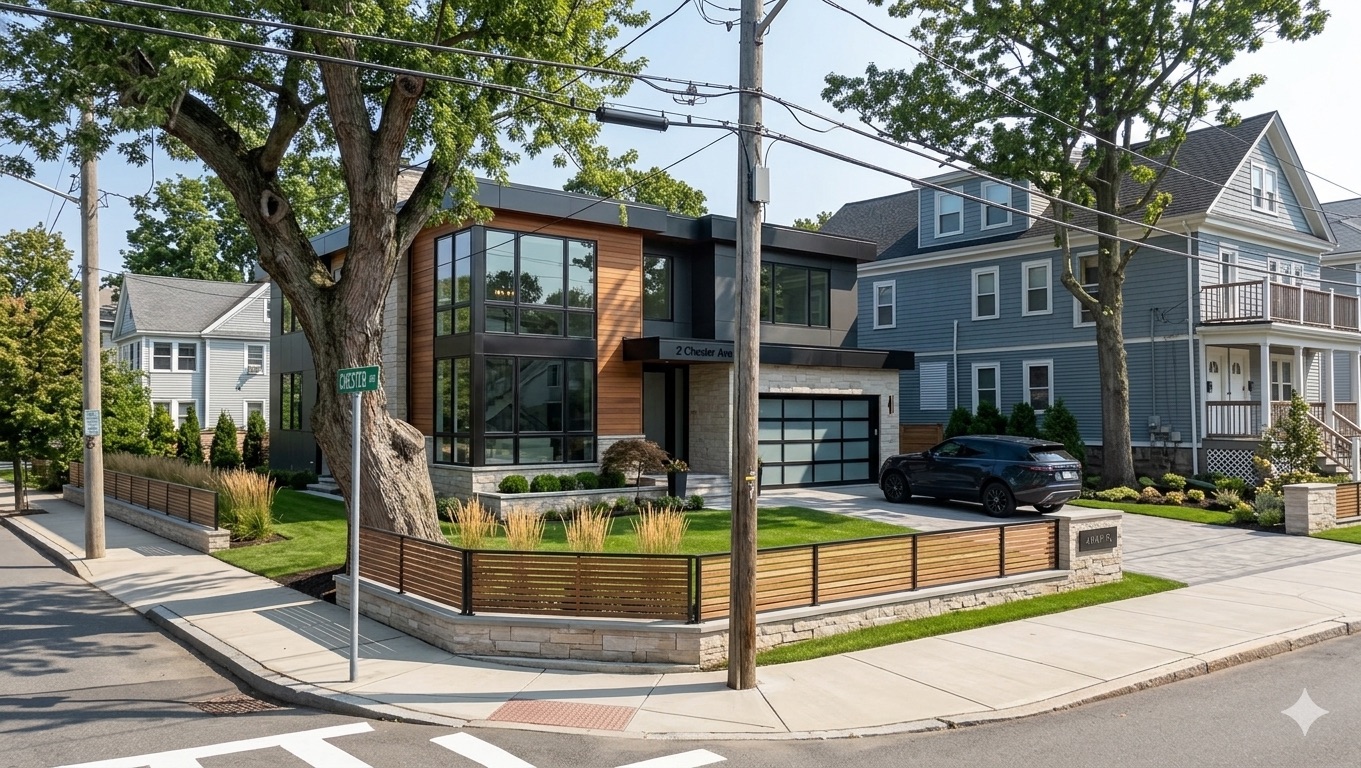
For 101 Winthrop, the potential is operational: preserve the parcel as controlled parking and arrival support rather than treating it as a separate build path.
Concept images are provided only to help church leaders visualize possible use of the property. They are not plans, approvals, construction drawings, or representations of completed or permitted improvements.
Property Specs
Church leadership can evaluate the offering as an existing ministry facility with a separate parking parcel, not as a blank slate. The core facts below are the starting point for board review, lender conversations, and denominational approvals.
| Building sq ft | 14,874 sq ft living area per FY2026 assessor record |
|---|---|
| Year built | Current structure reportedly built circa 1950 after a fire; purchaser to verify against municipal and historical records |
| Current use | Religious / institutional; assessor use noted as Church/Temple |
| Lot sizes | 100 Winthrop: 14,874 sq ft | 101 Winthrop: 0.20 acres |
| Zoning | 100 Winthrop: GR | 101 Winthrop: SF2 |
| Parking | Approx. 20+ surface spaces; 101 Winthrop assessor record notes 9,000 sq ft of asphalt paving |
| MBTA access | Walkable to Medford/Tufts Green Line station |
All specifications, history, dates, dimensions, zoning references, parking counts, condition statements, concept images, and use assumptions are preliminary diligence inputs only. Purchaser is solely responsible for verifying all information with municipal records, survey, zoning, legal, engineering, environmental, architectural, lending, insurance, and other appropriate advisors.
Building History
The church has reportedly owned the property since the early 1900s. After a fire, the current structure was built circa 1950 and has continued to serve religious and institutional use. Prospective purchasers should verify the ownership timeline, fire history, construction date, permits, and any related municipal records during diligence.
Location Context
A congregation does not just buy a building; it chooses who can realistically get there. This Hillside location pairs neighborhood presence, Tufts-area reach, walkable Green Line access, and regional connectivity for members, staff, partner ministries, and weekday users.
Adjacent building and parking parcels in Medford Hillside, roughly 0.53 acres combined.
Nearby campus, student, staff, family, and neighborhood activity create a strong outreach setting.
Approximately 0.4 miles from the site, supporting members, visitors, staff, and partner users without cars.
Regional access helps a congregation serve both a local neighborhood and a broader metro-area membership.
Asset Overview
Church buildings are difficult to replace because the requirements are specific: worship volume, classroom depth, fellowship space, food-service support, offices, access, parking, and a location people can commit to for the long term.
The existing sanctuary gives a congregation a clear worship center rather than a generic hall that must be reimagined from scratch.
The room program supports children's ministry, youth ministry, small groups, counseling, administration, and potential weekday partners.
The lower-level hall and kitchen infrastructure create real capacity for meals, events, hospitality, rentals, and community partnerships.
101 Winthrop gives leadership a practical answer to one of the first questions every church board asks: where will people park?
Floor Plans
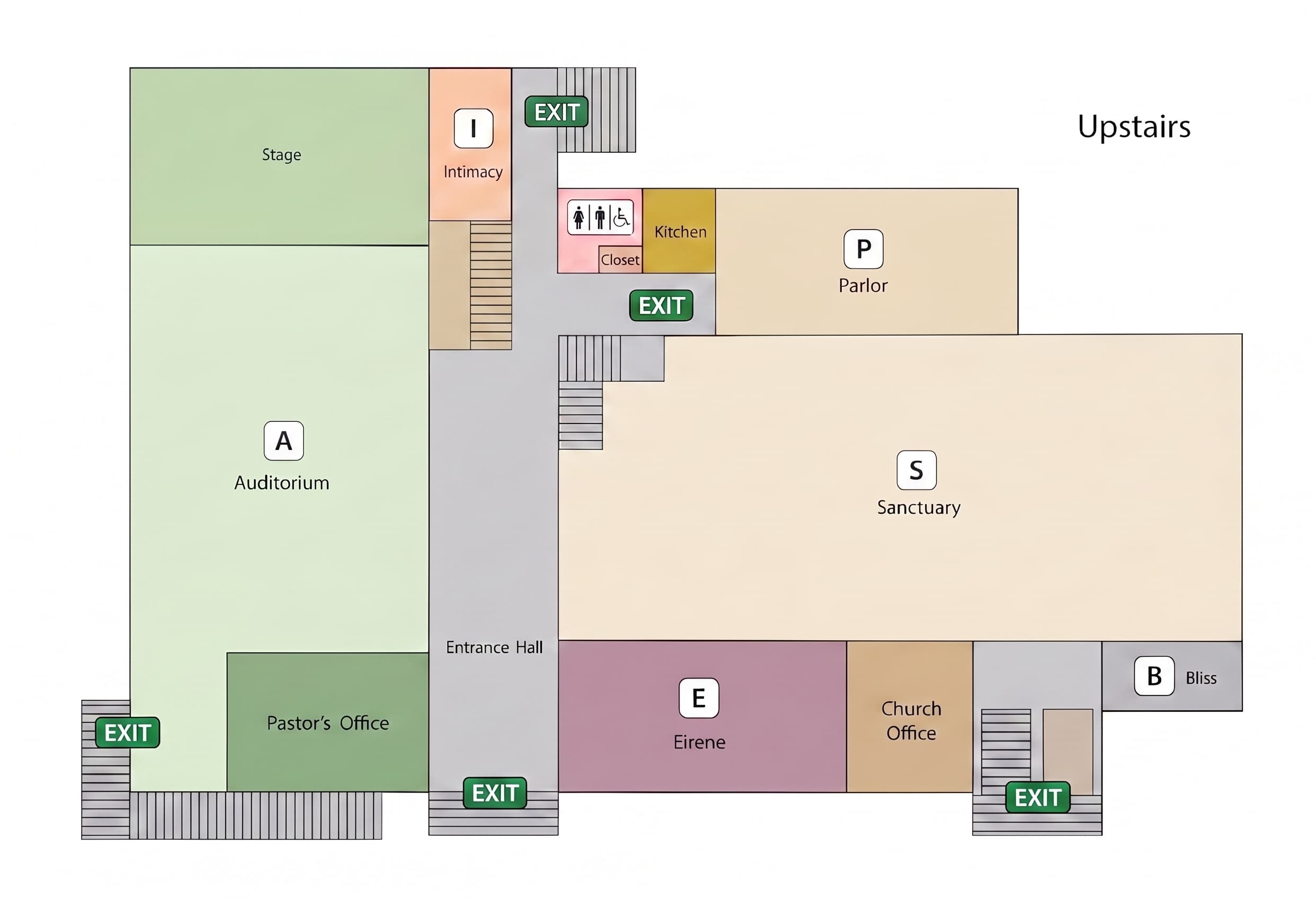
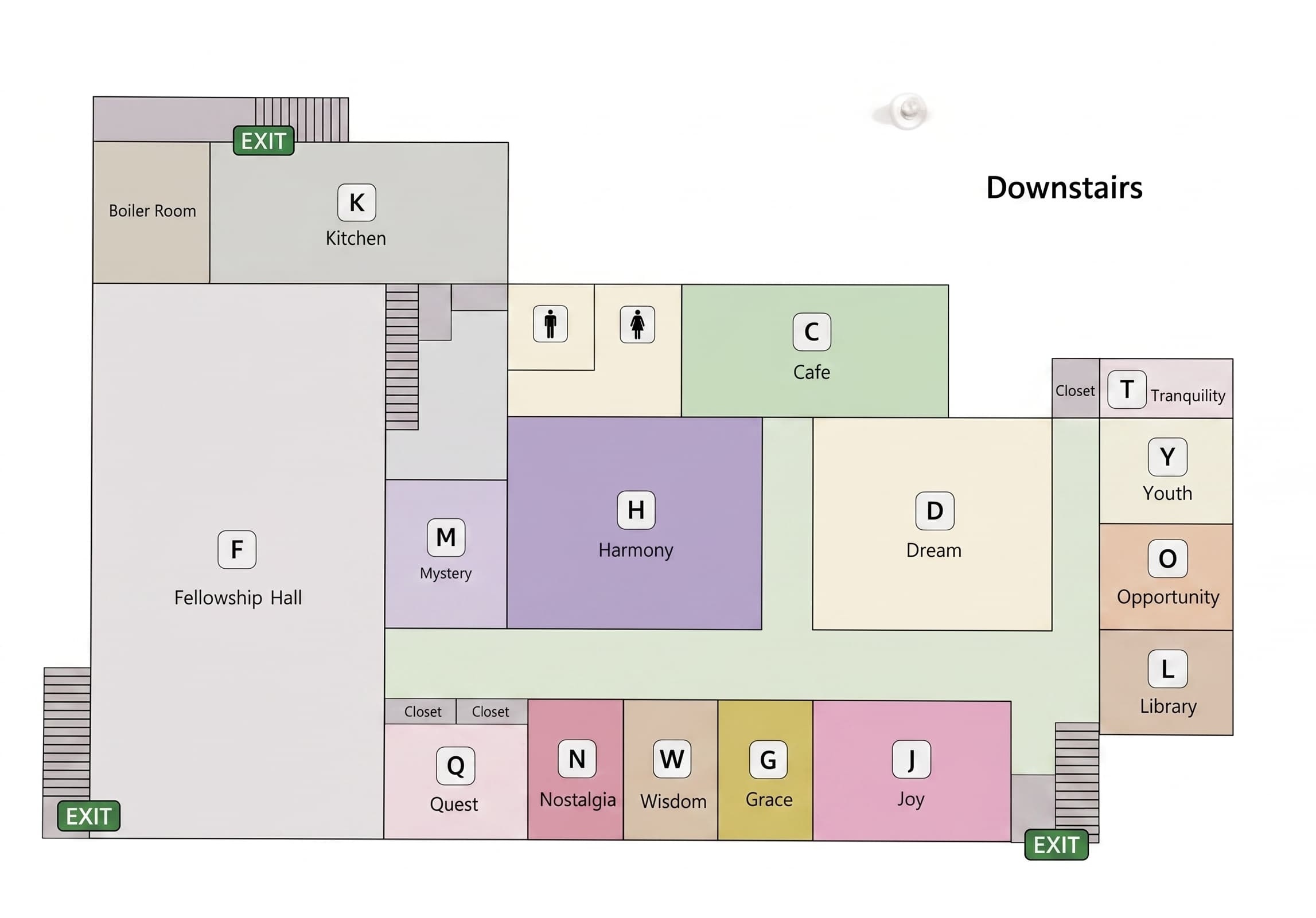
The building includes large gathering spaces on both levels, multiple classroom or office rooms, kitchens, restrooms, and several exterior exits. These plans help church leaders understand the current operating layout before discussing worship, children's ministry, fellowship, partner use, and renovation priorities.
Current Condition Photos
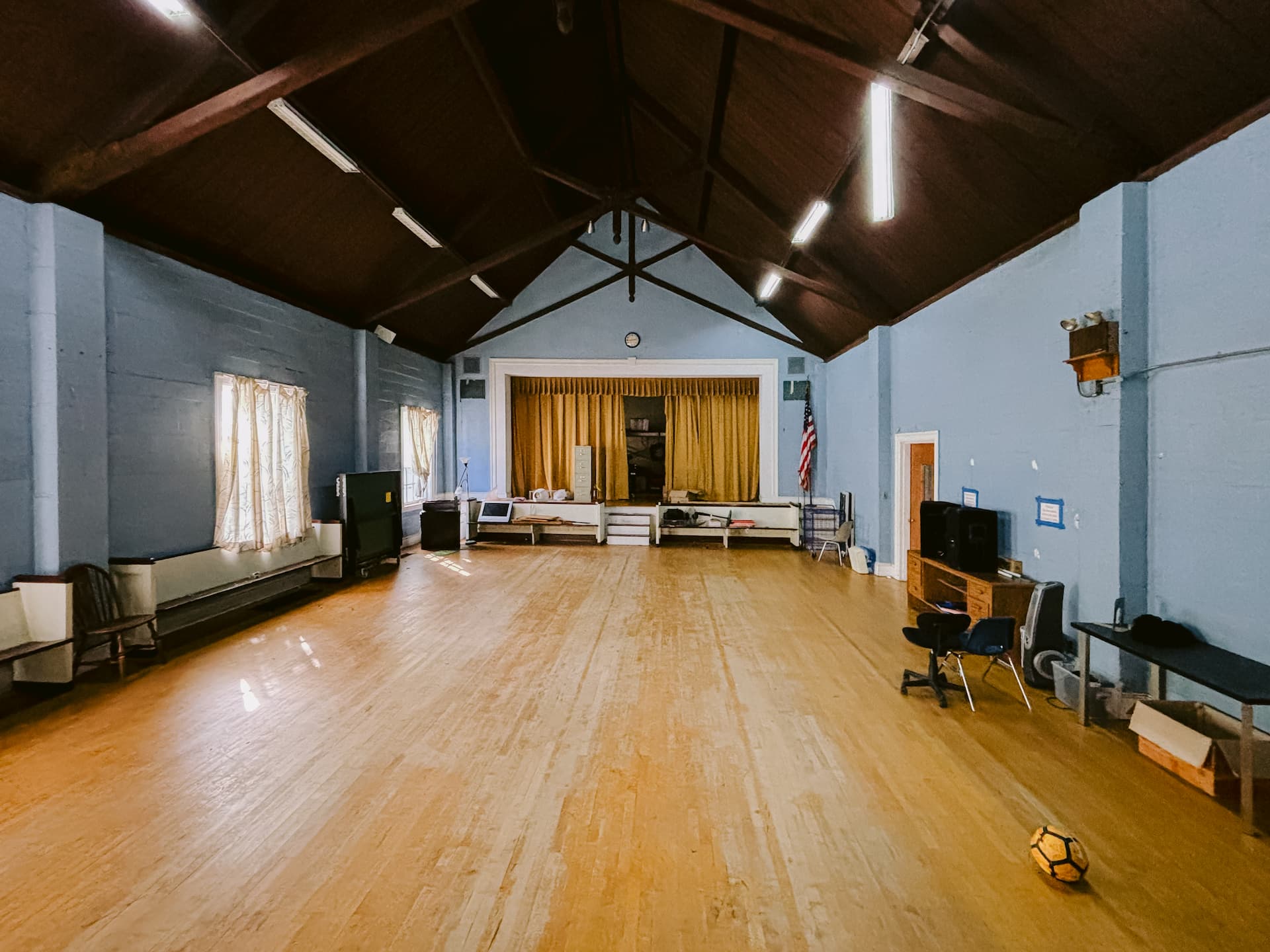
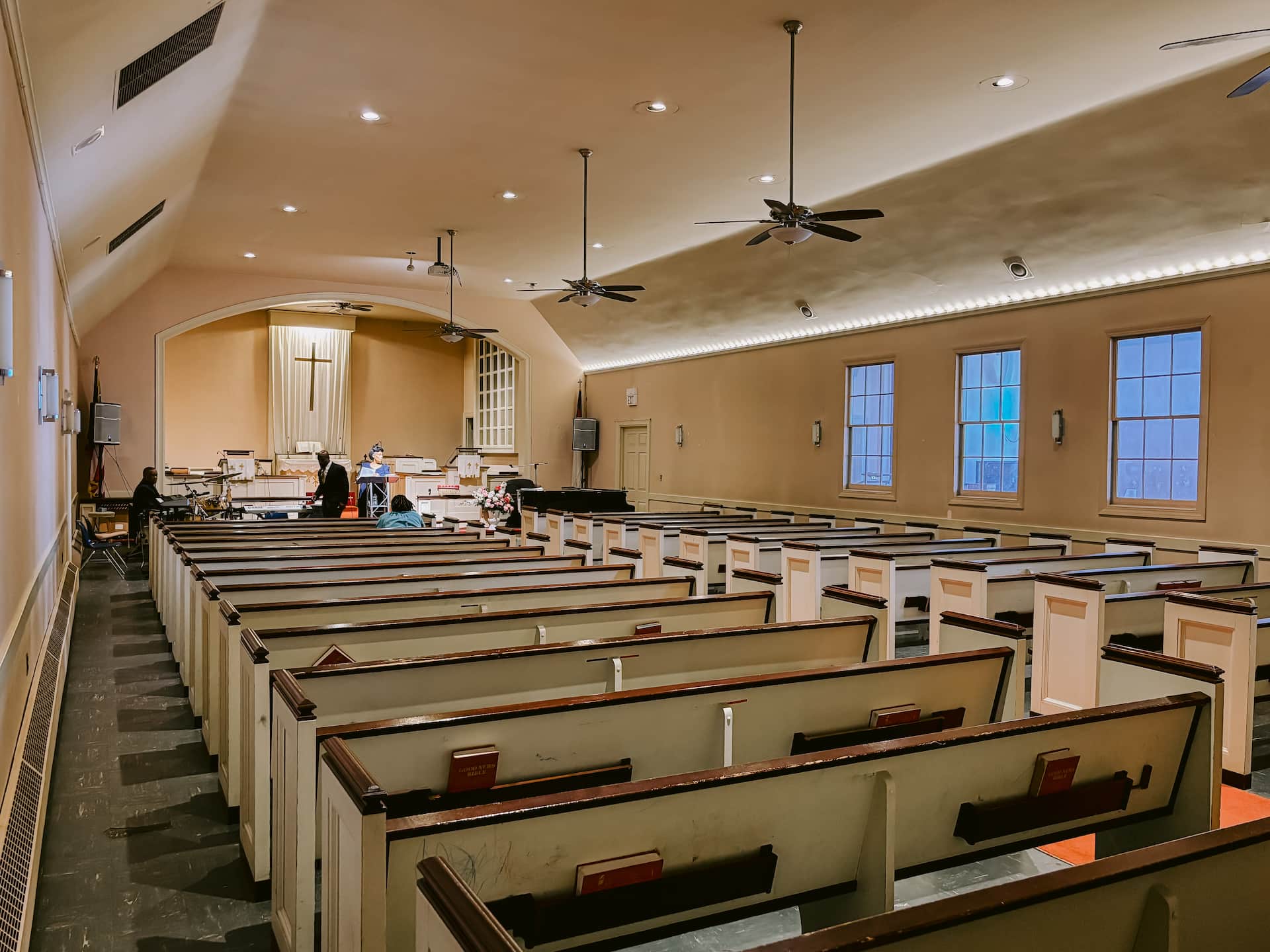
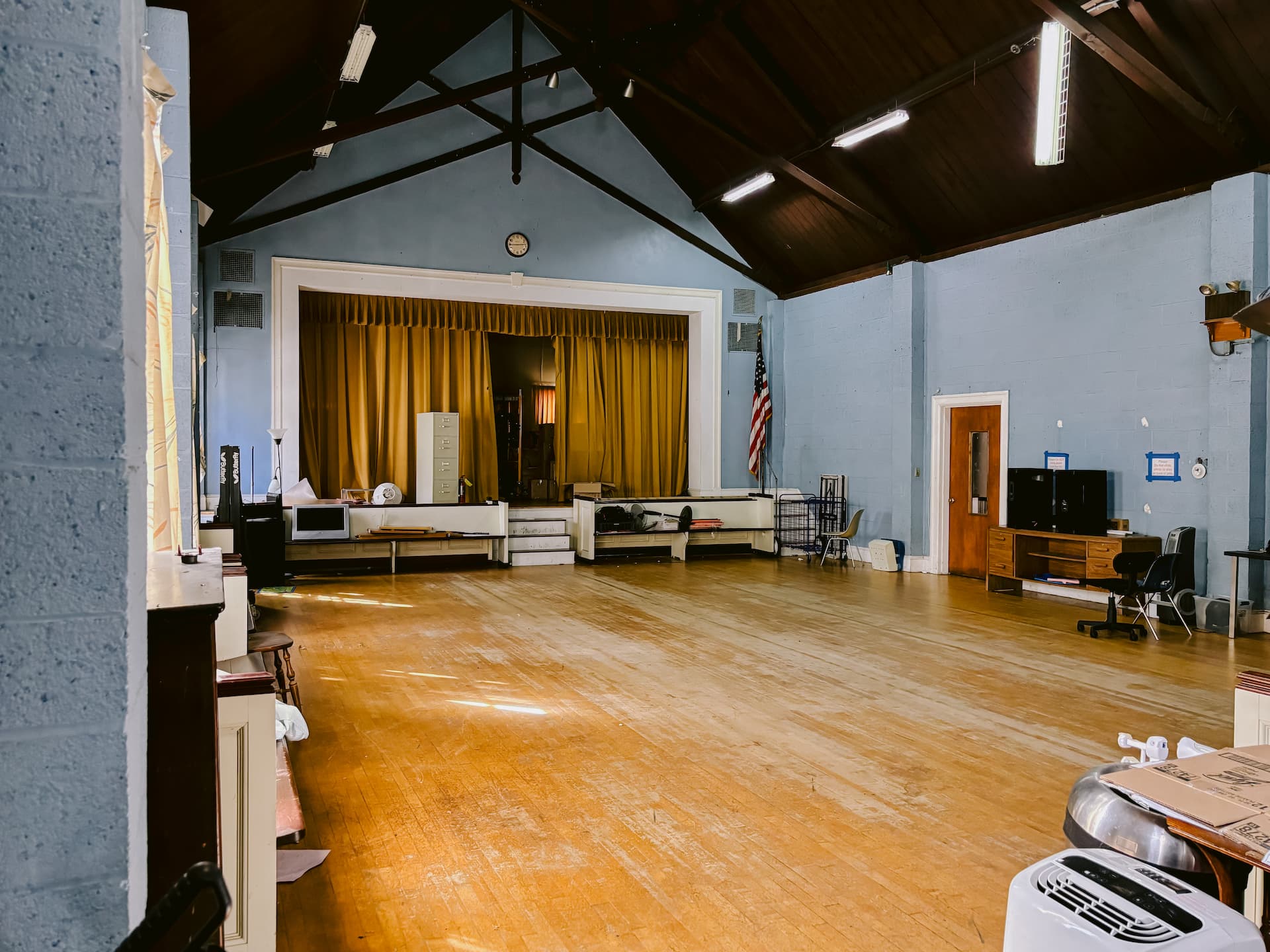
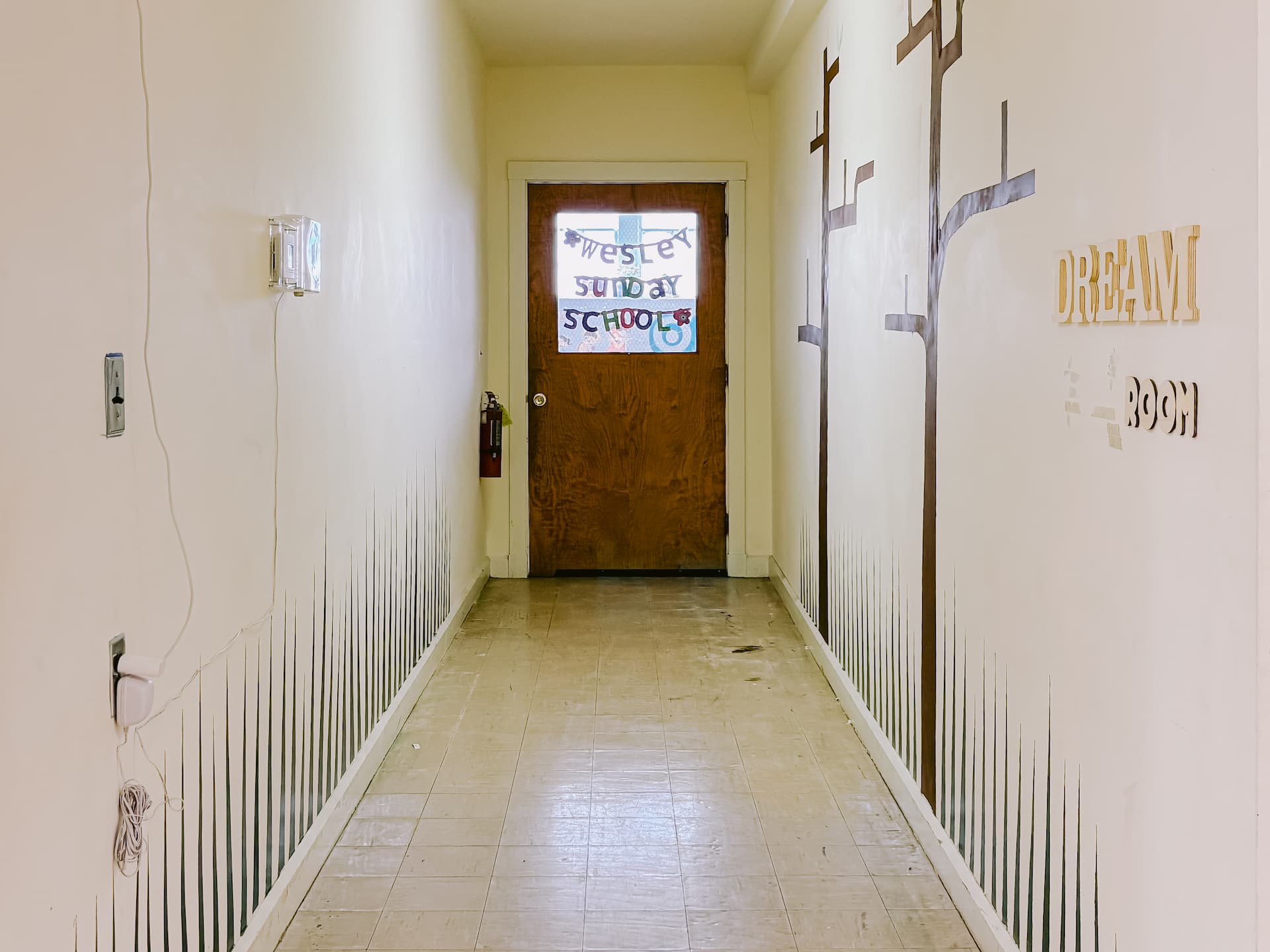
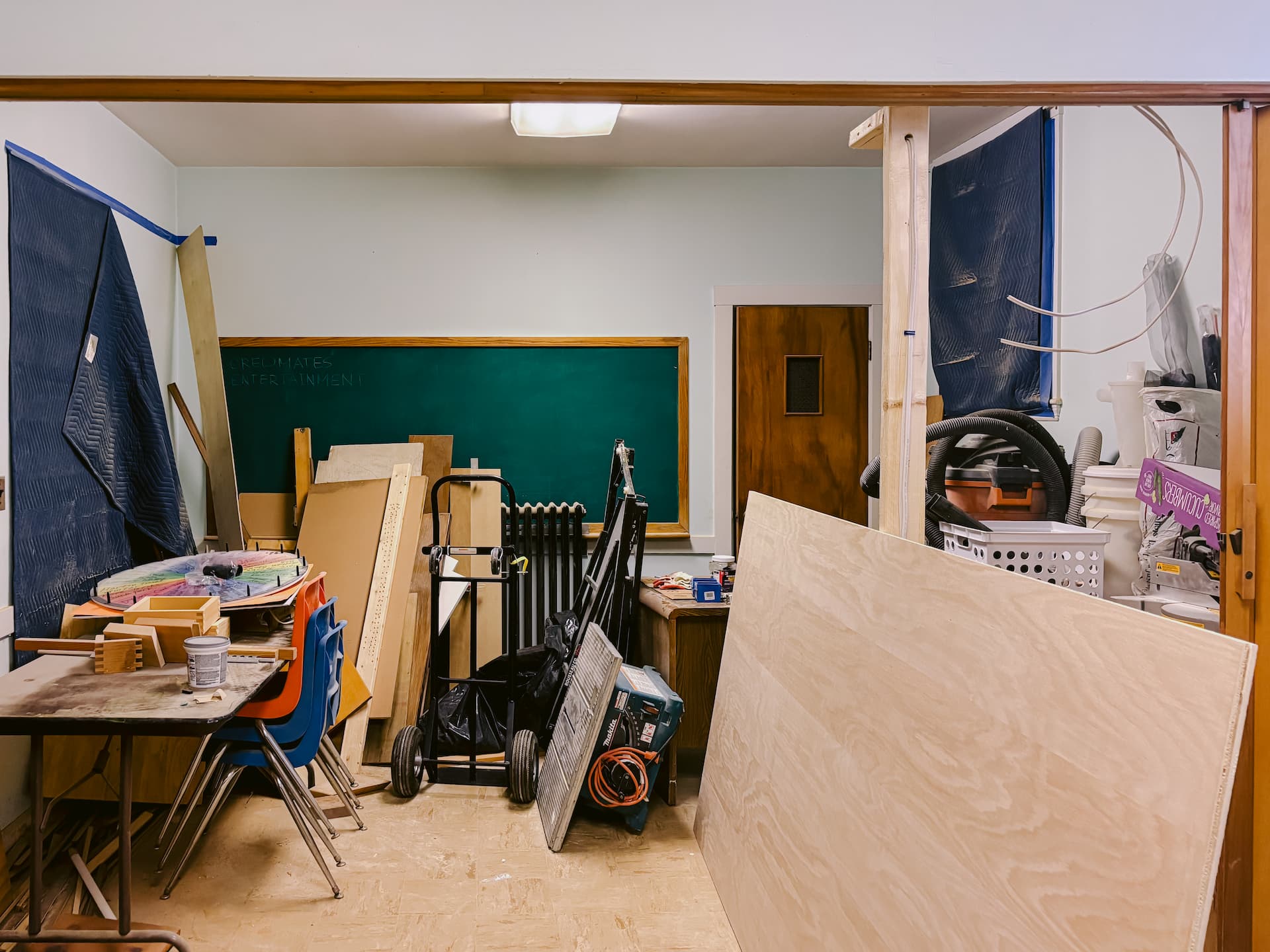
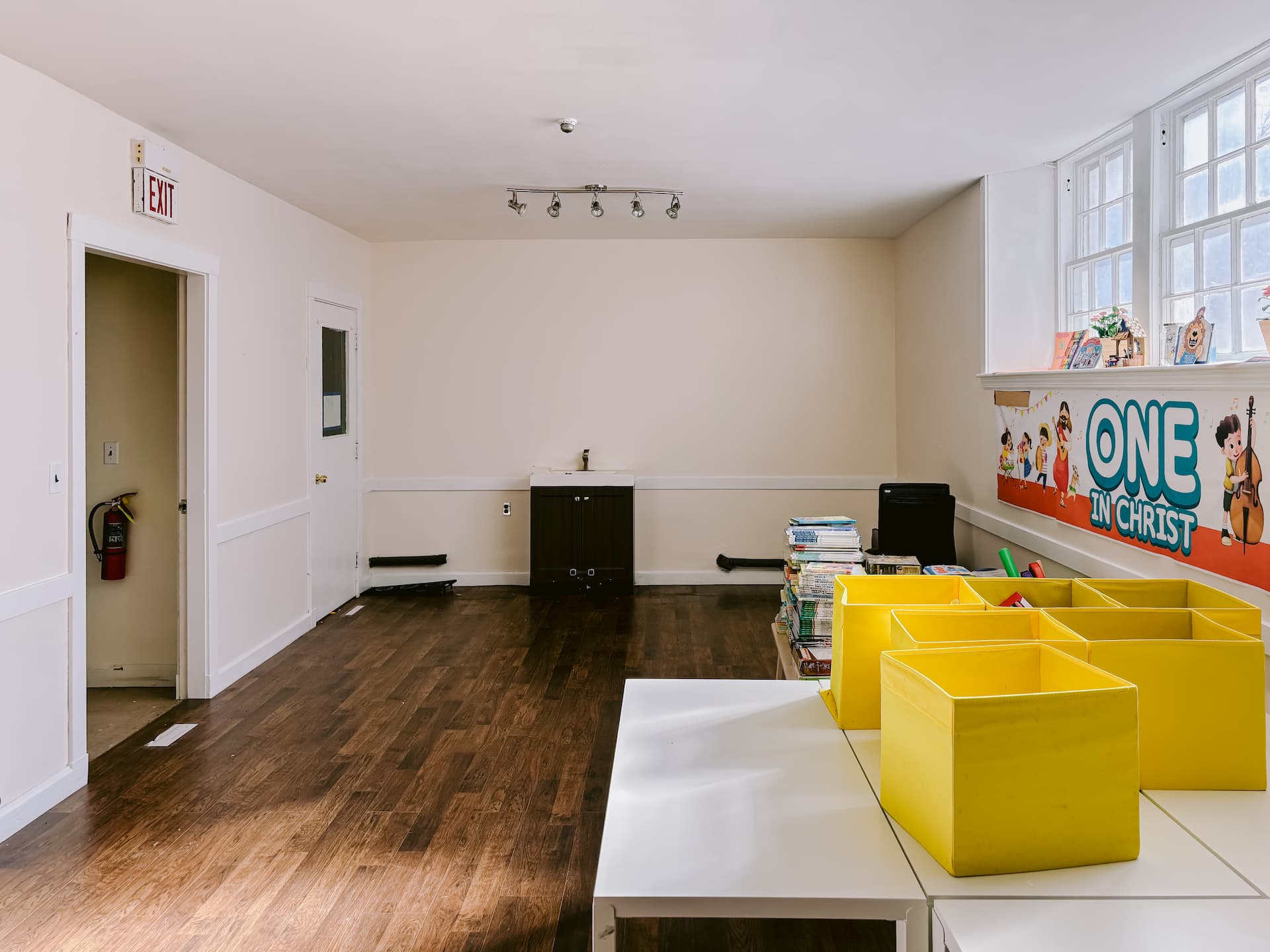
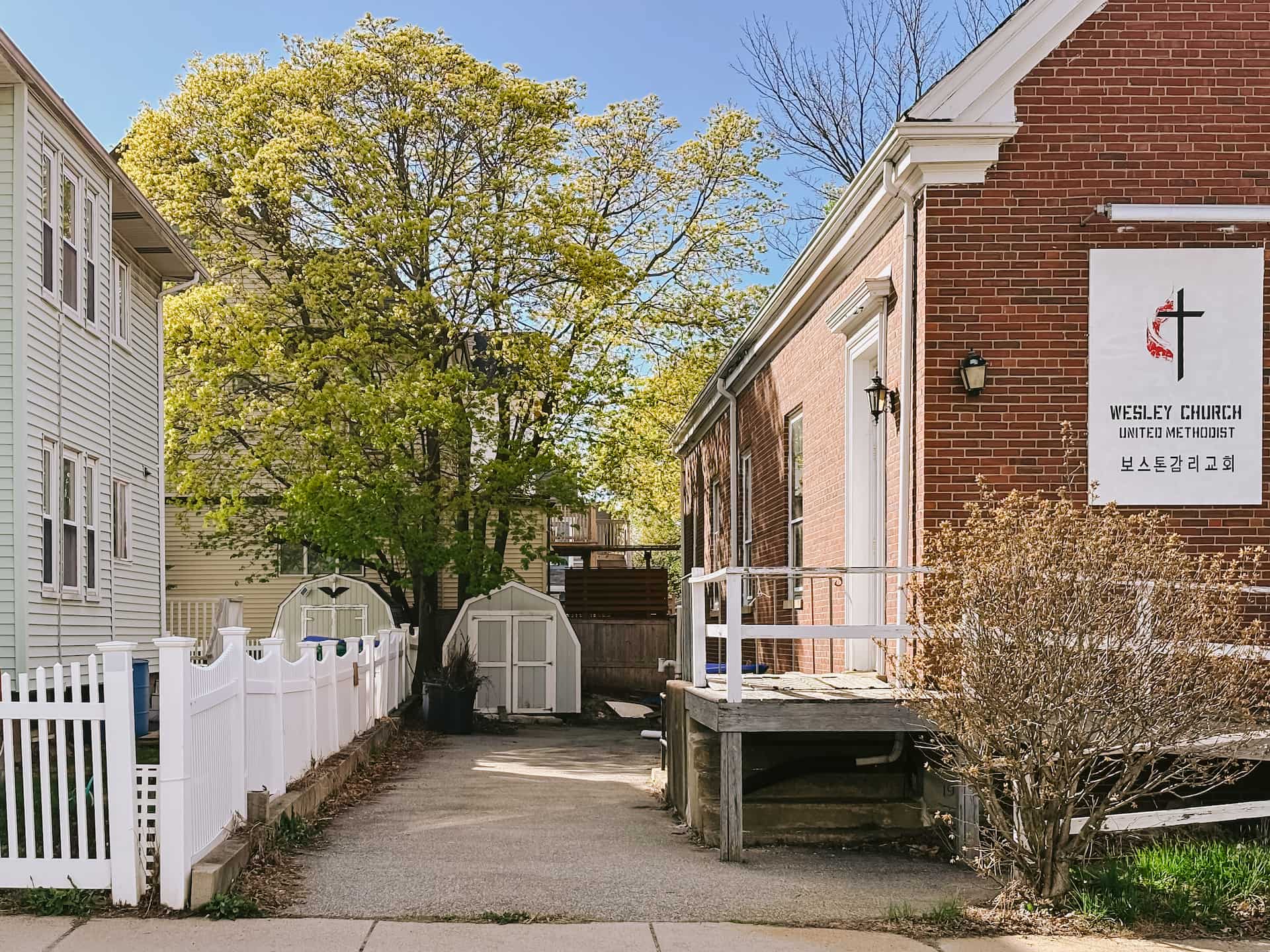
The current building already contains a sanctuary, auditorium, fellowship hall, kitchens, classrooms, offices, circulation areas, and exterior access points. The photos below are intended to help leadership teams understand scale, layout, and ministry potential before scheduling a walkthrough.
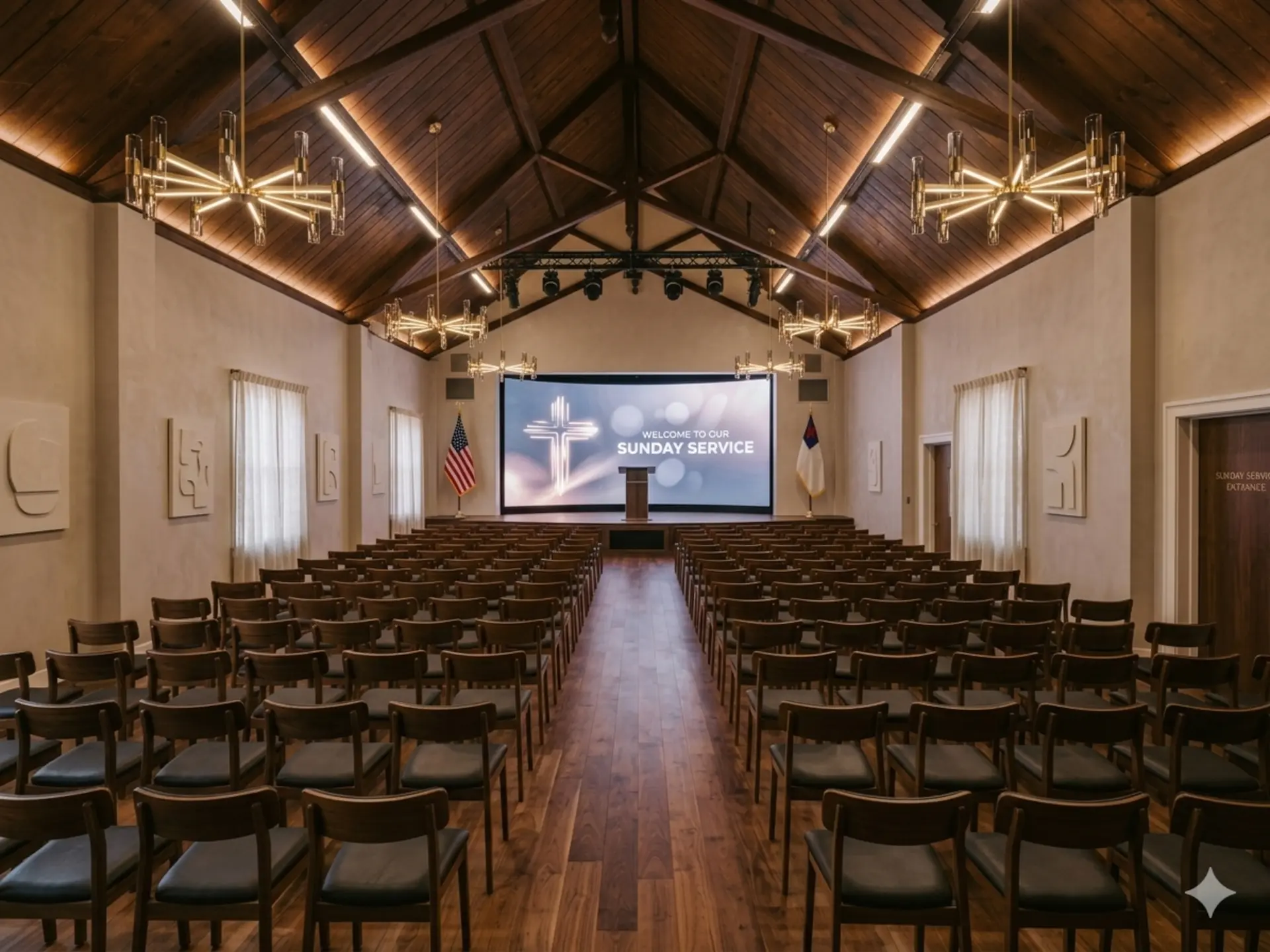
Virtually Staged Before / After Potential
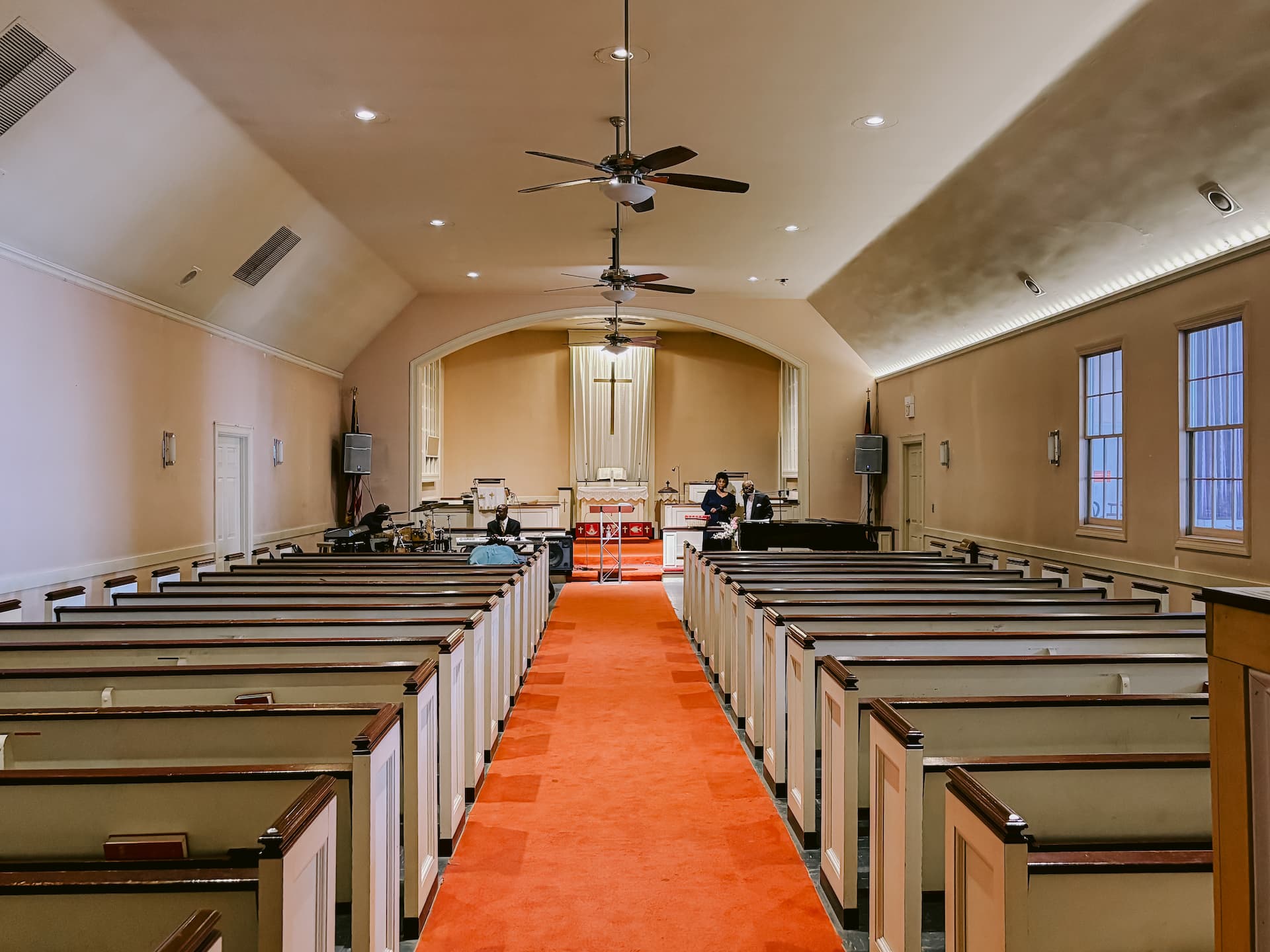
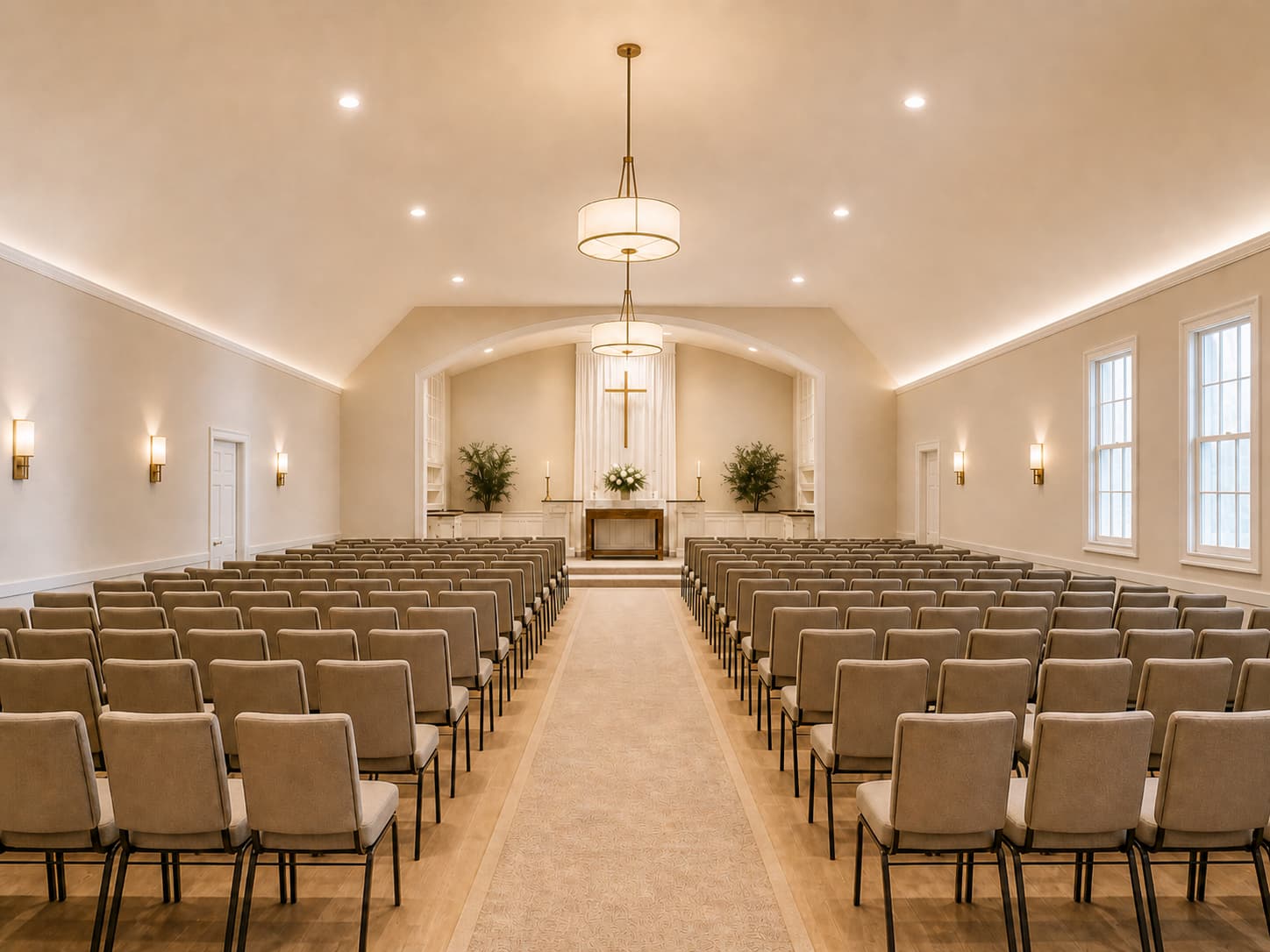
Shows how the existing sanctuary volume could present with refreshed seating, lighting, flooring, and worship platform improvements.
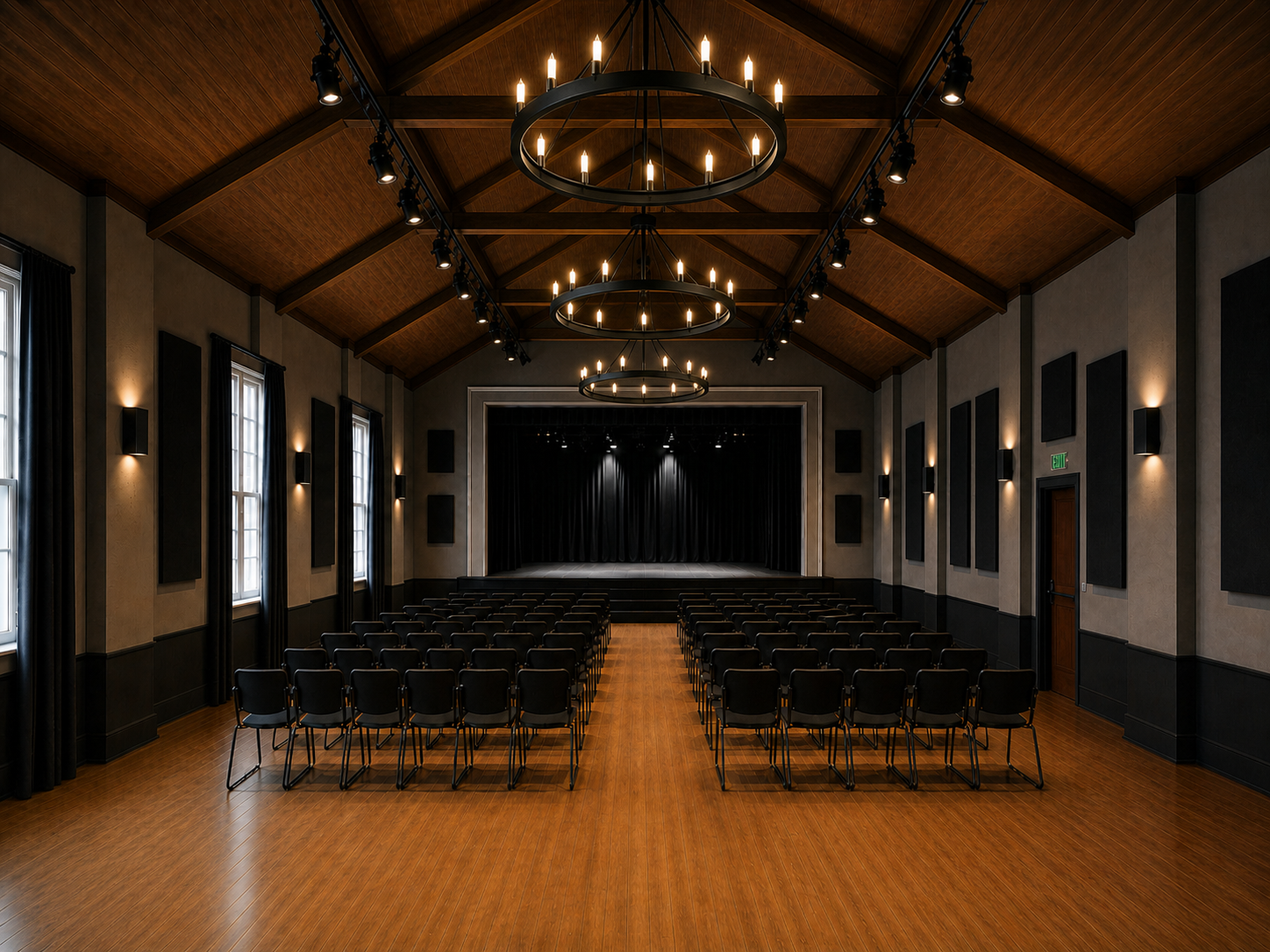
Shows a more polished event, service, or gathering configuration while preserving the existing open-span room character.
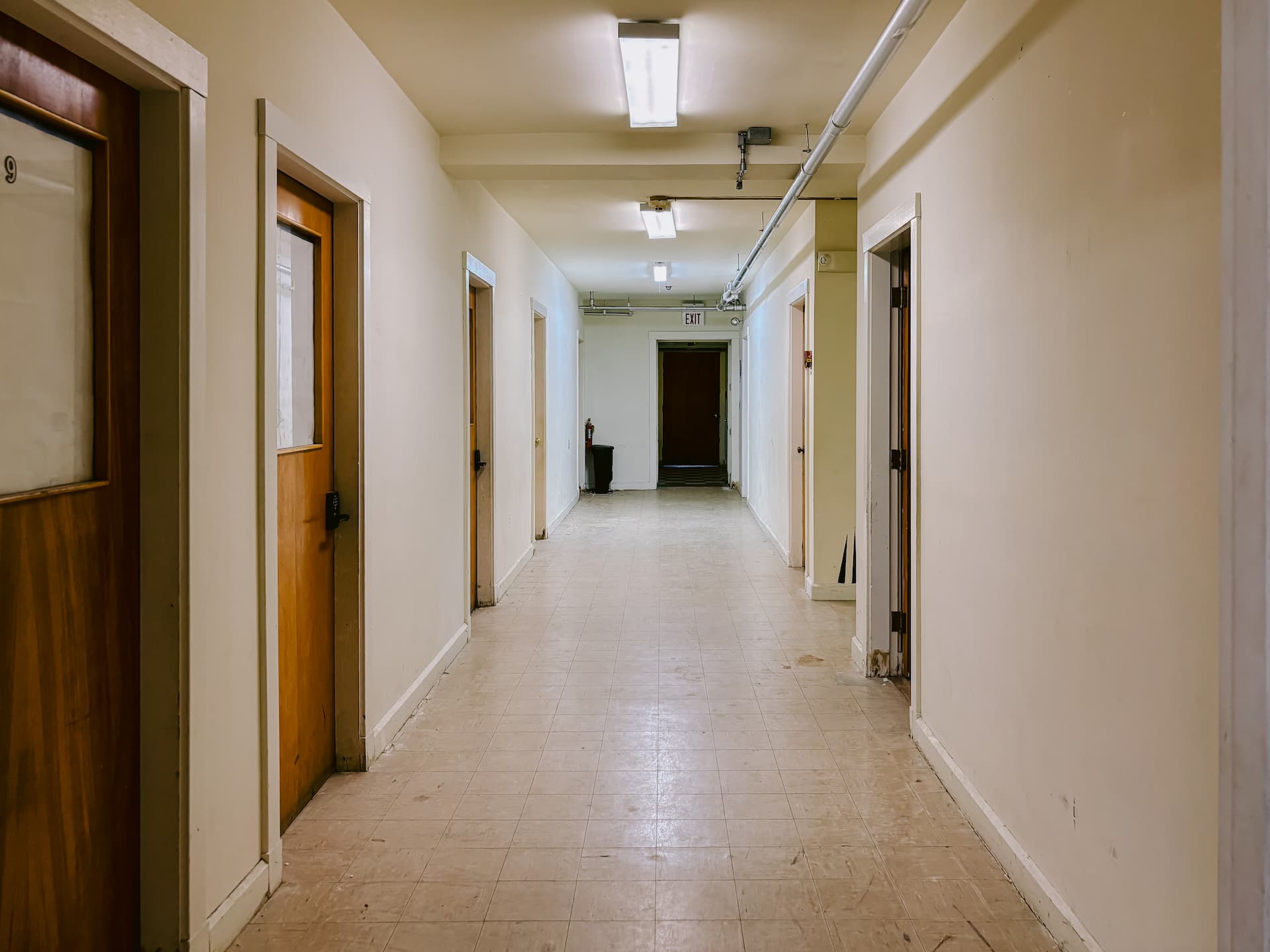
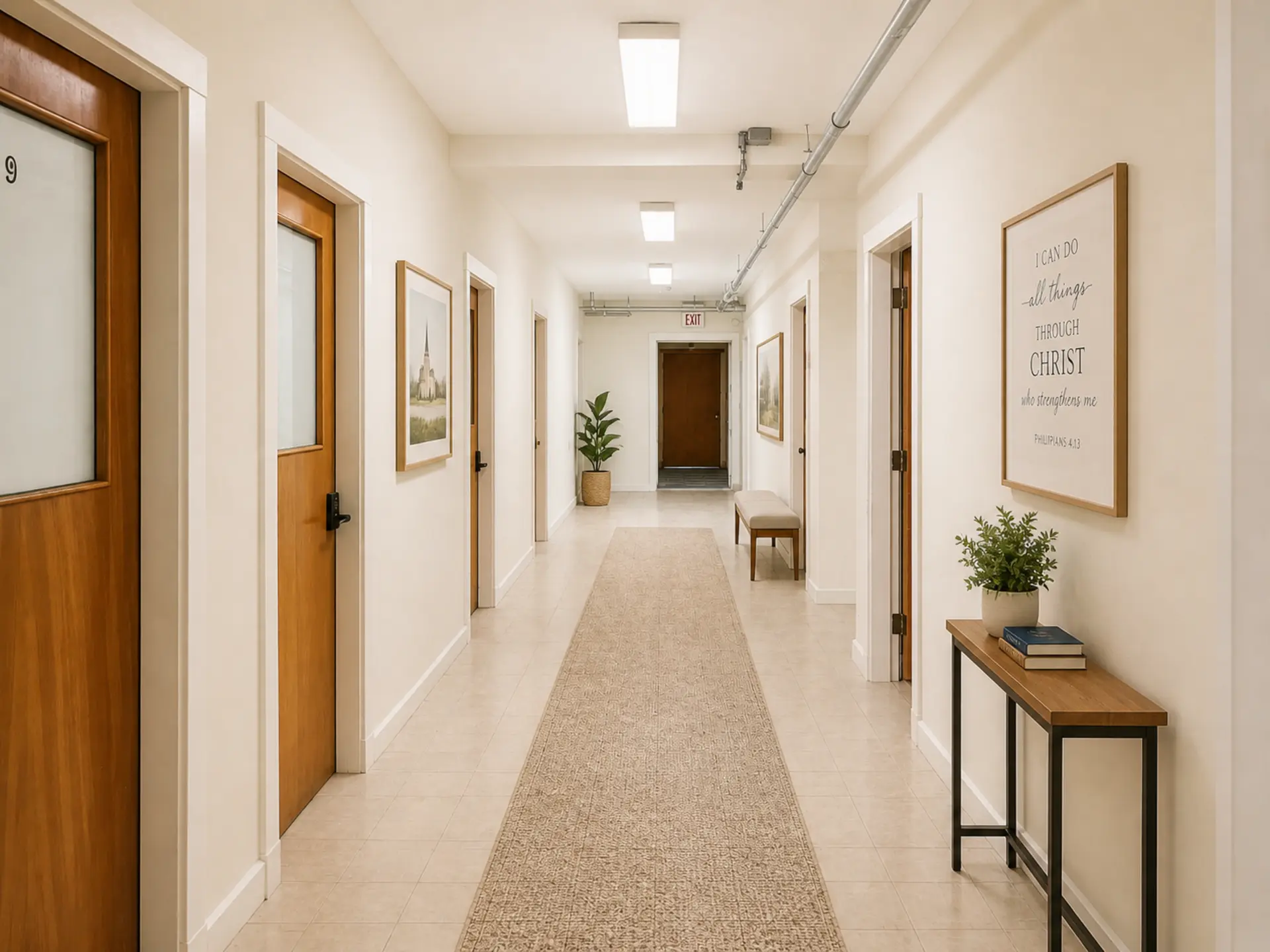
Shows how simple finish, lighting, art, and furnishing updates could make the existing circulation feel more finished and welcoming.
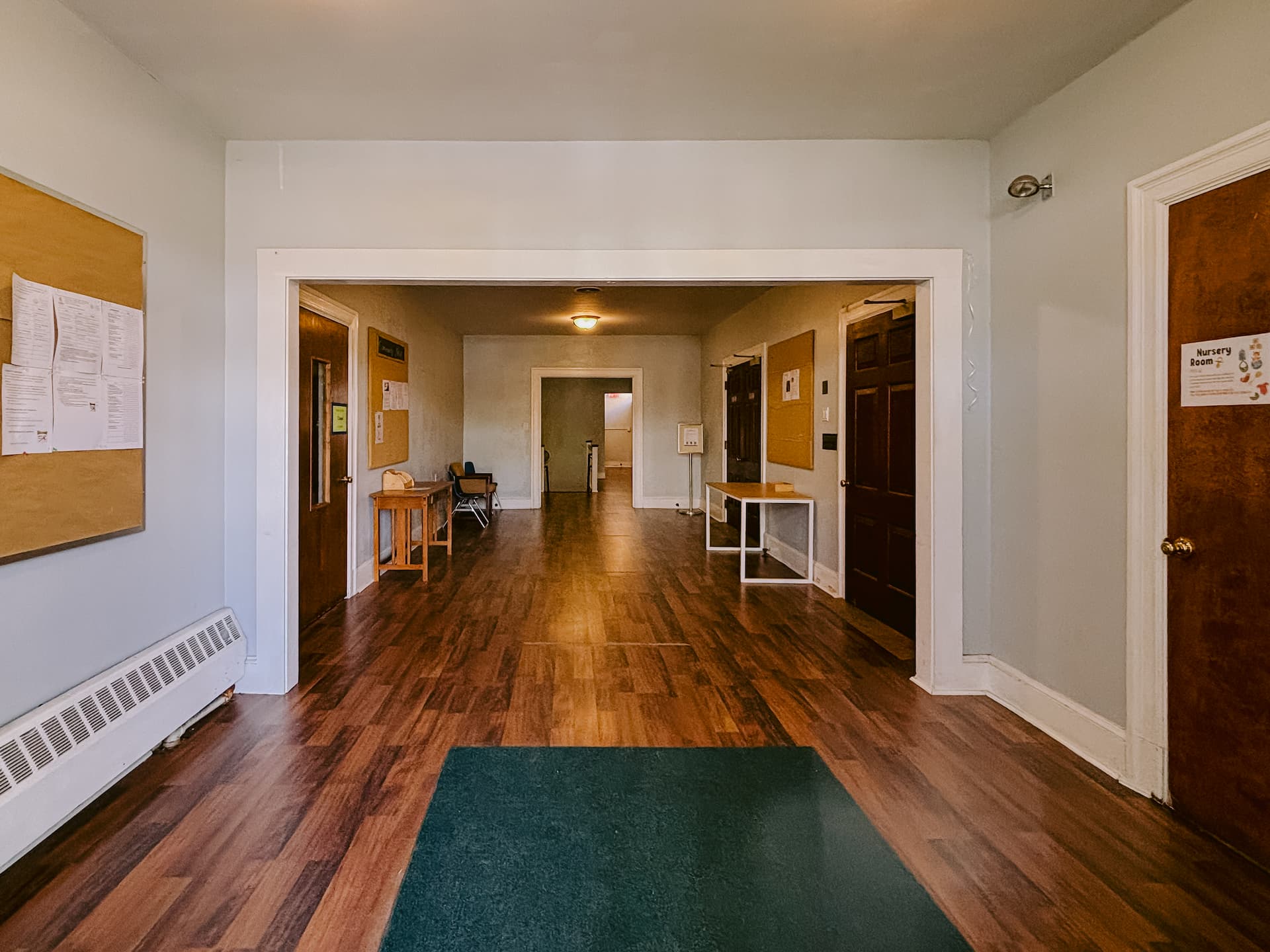
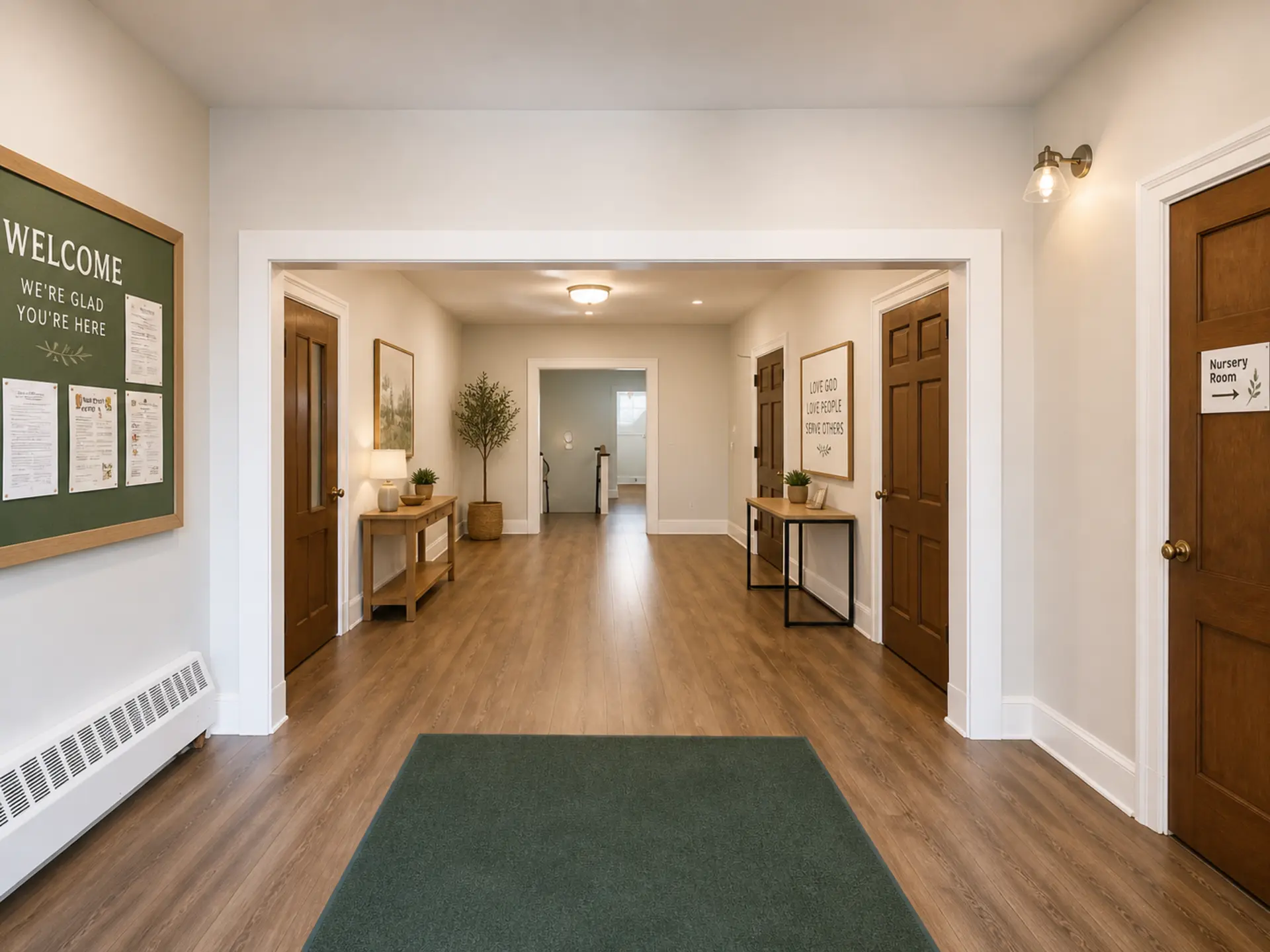
Shows how the existing circulation could present with coordinated finishes, brighter lighting, and a more polished arrival sequence.
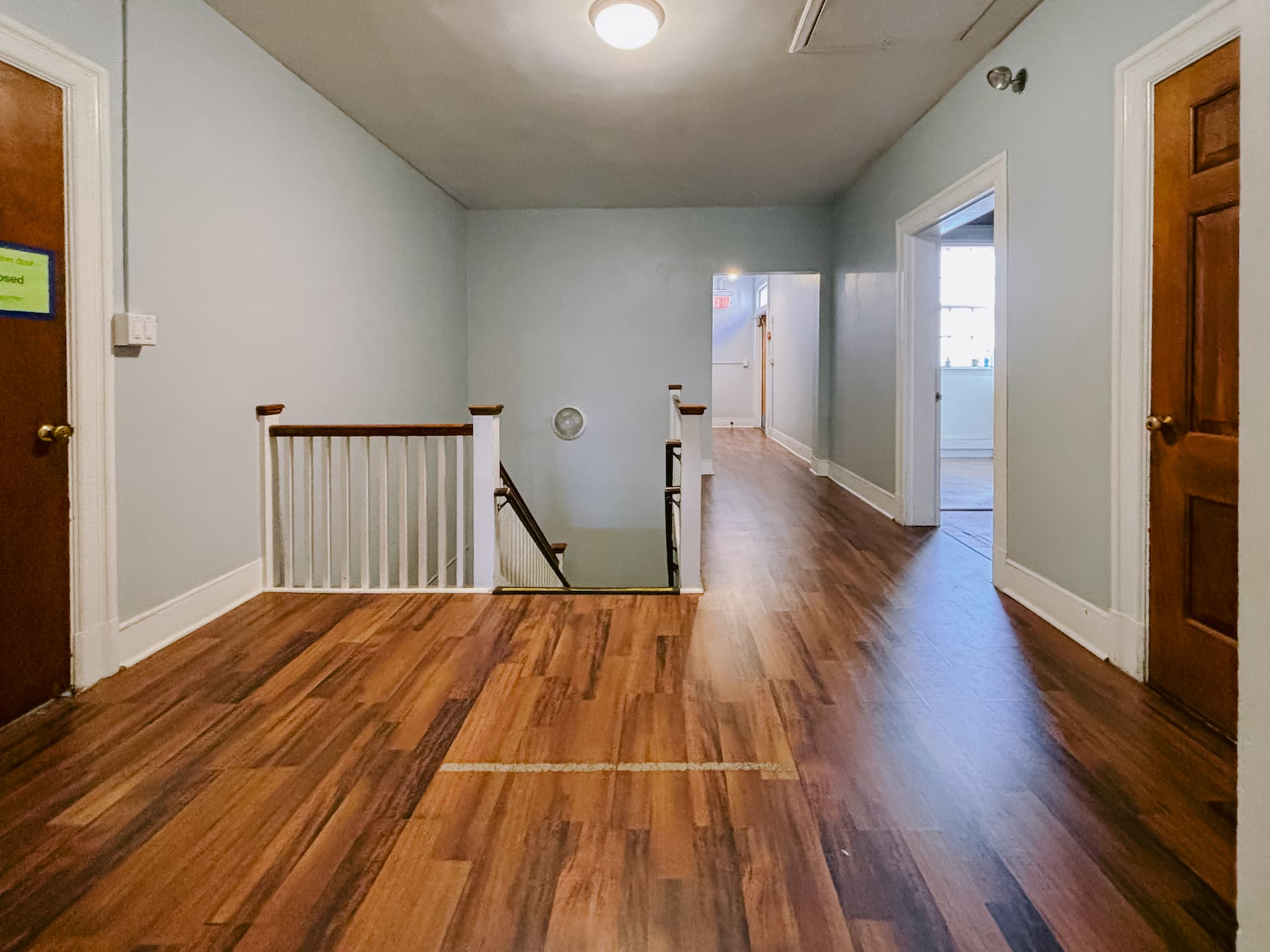
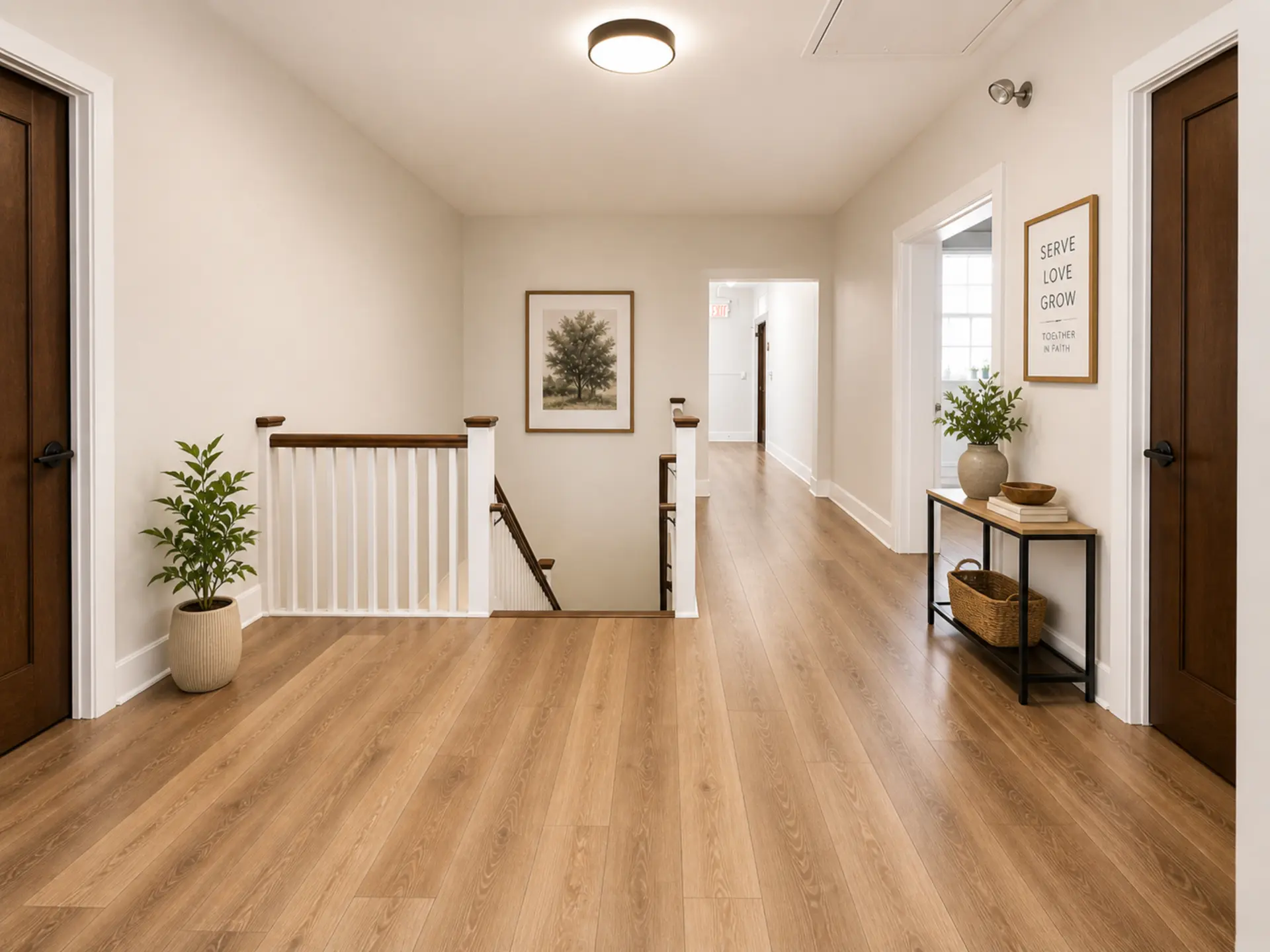
Shows a cleaner finish strategy for the upper floor hallways and connecting areas.
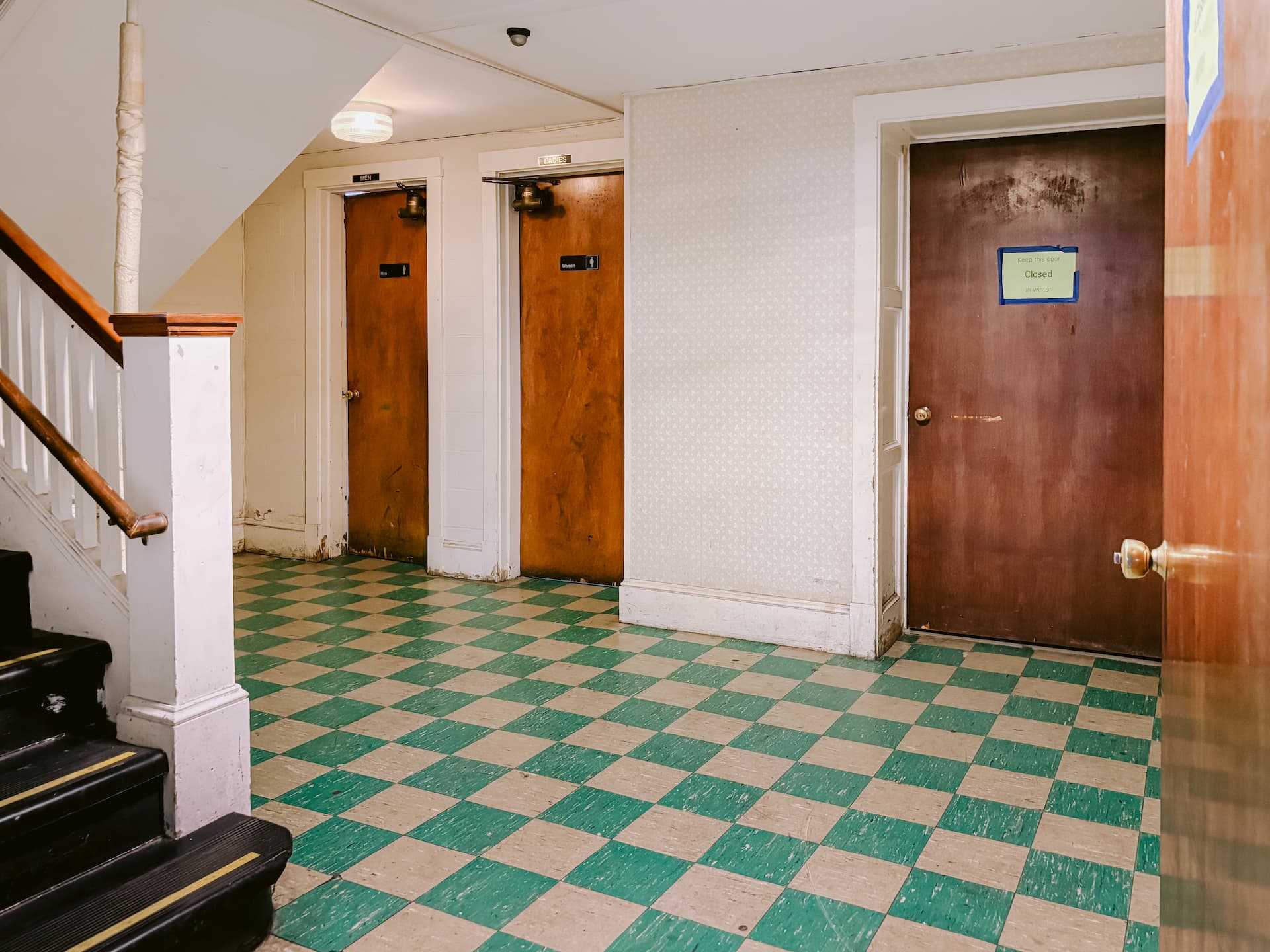
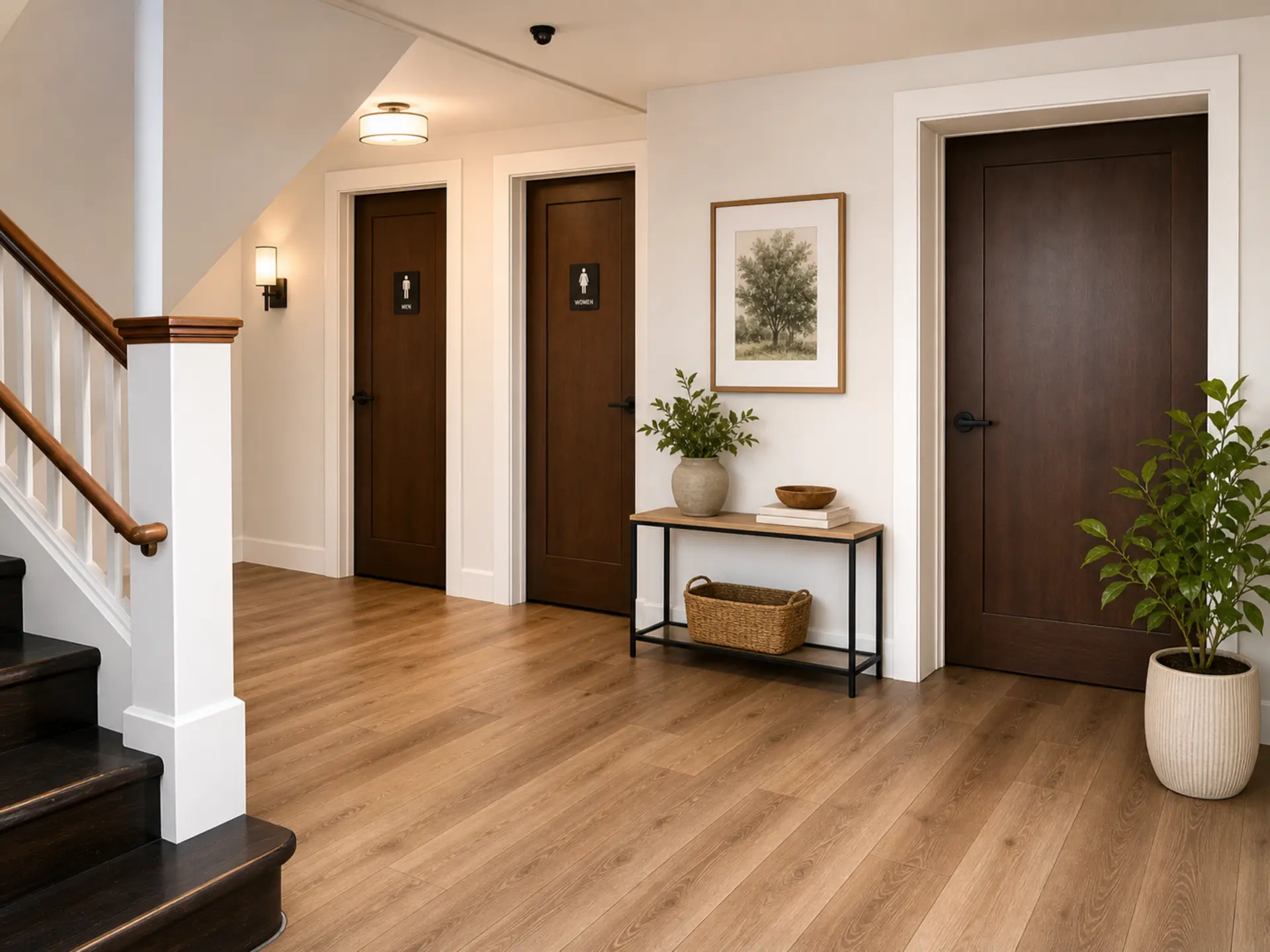
Shows a more finished restroom corridor presentation with updated doors, lighting, flooring, and wayfinding.
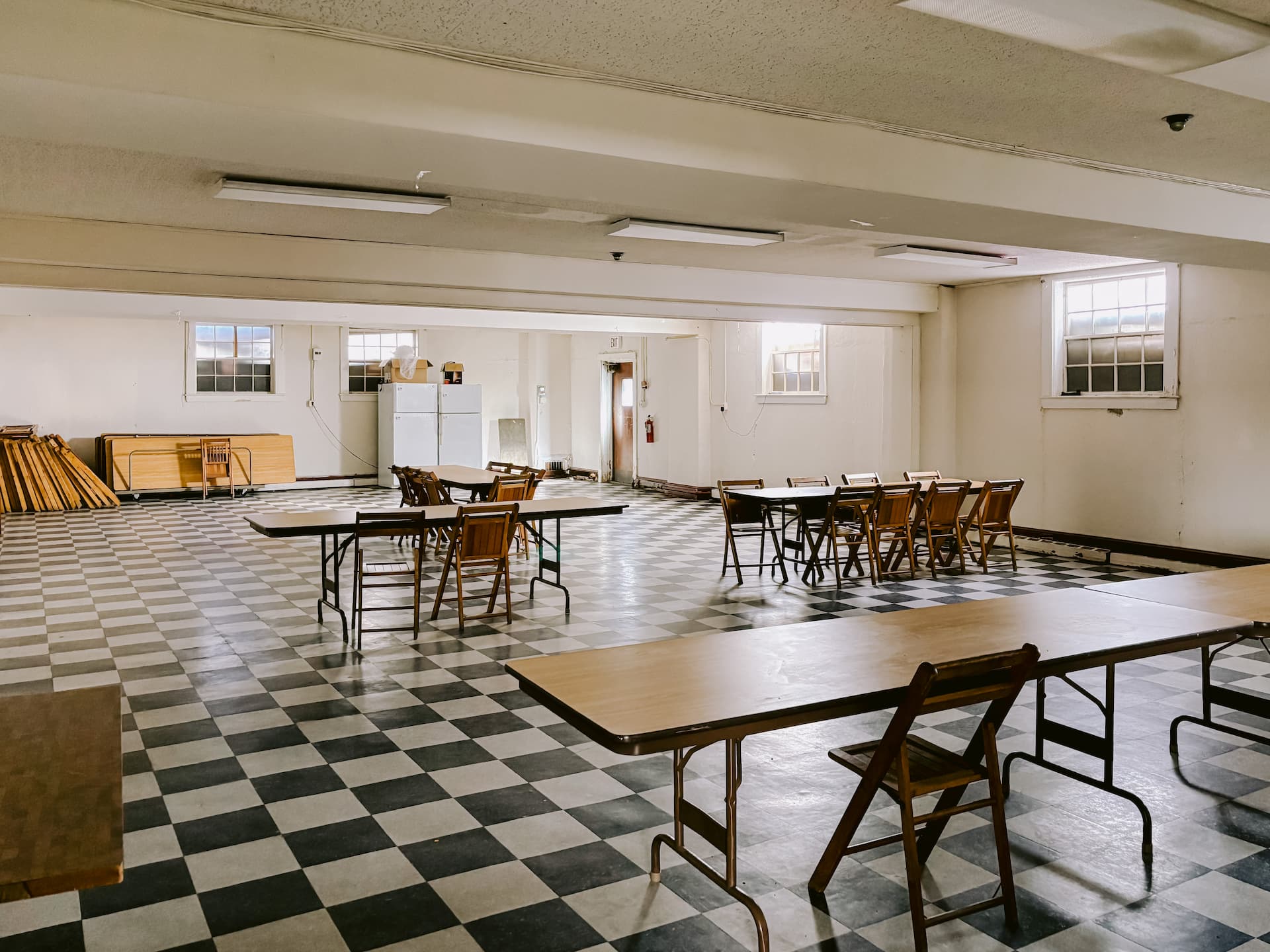
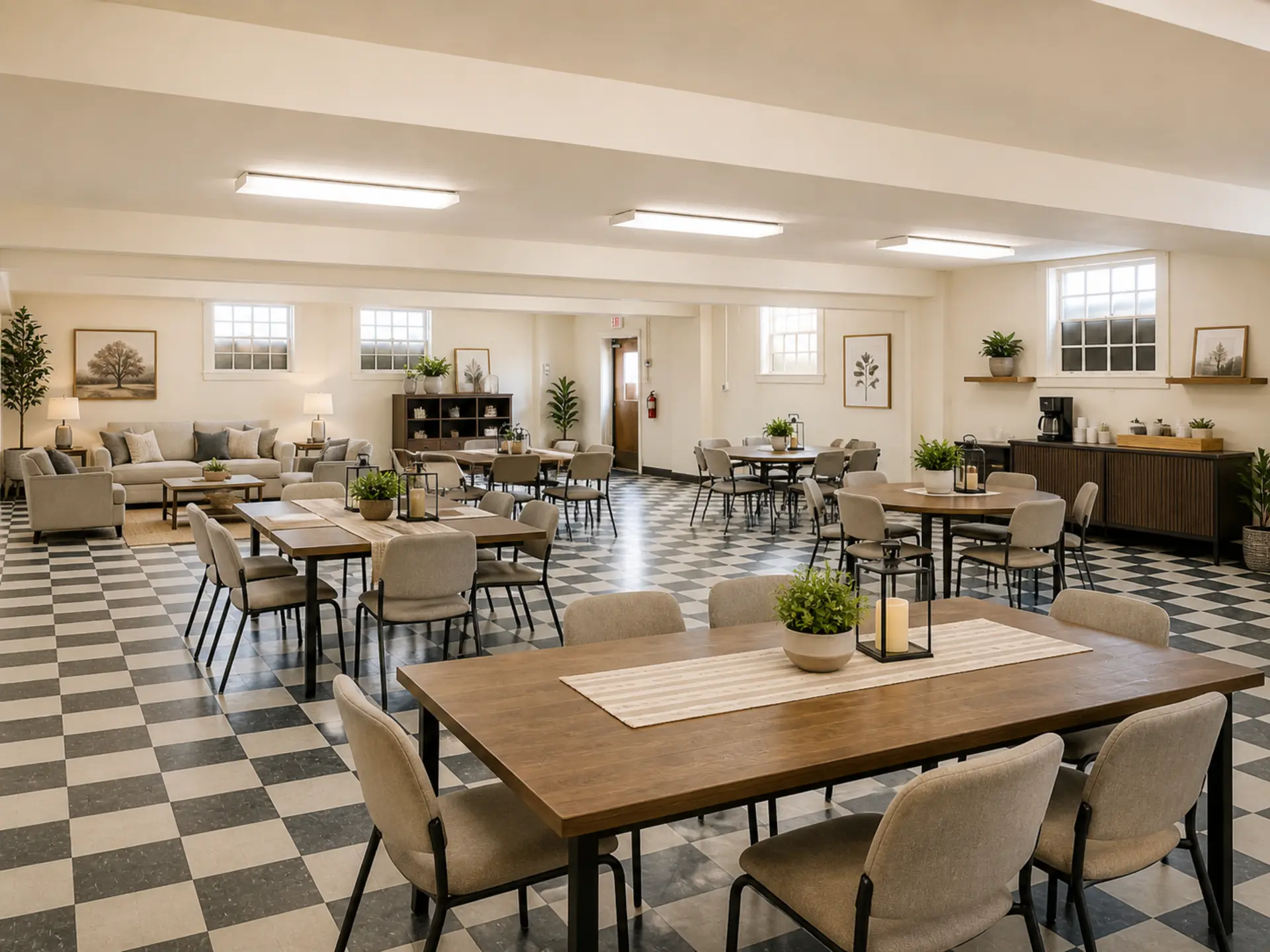
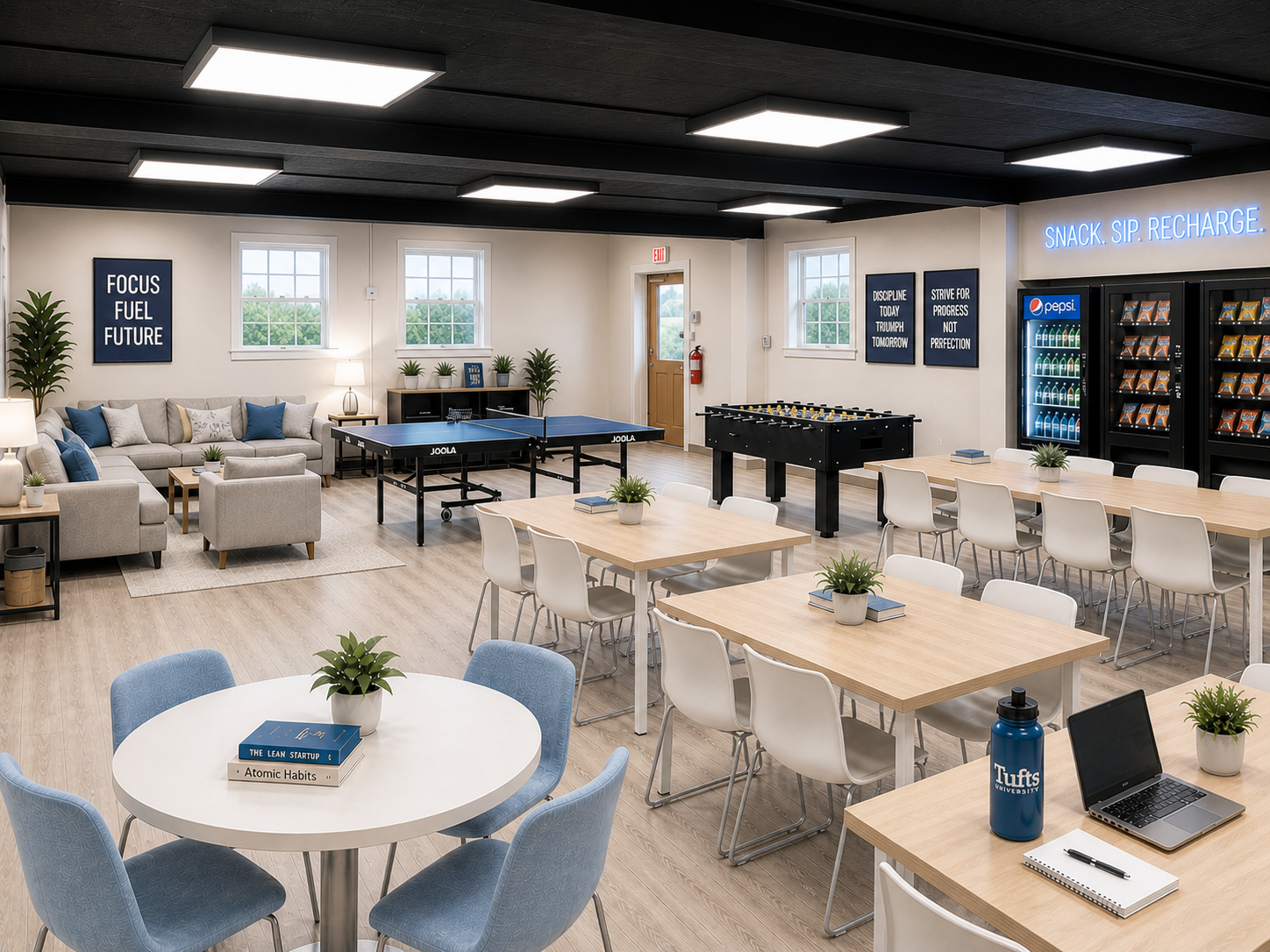
Shows a more complete dining, meeting, or community-use configuration for the lower-level fellowship hall.
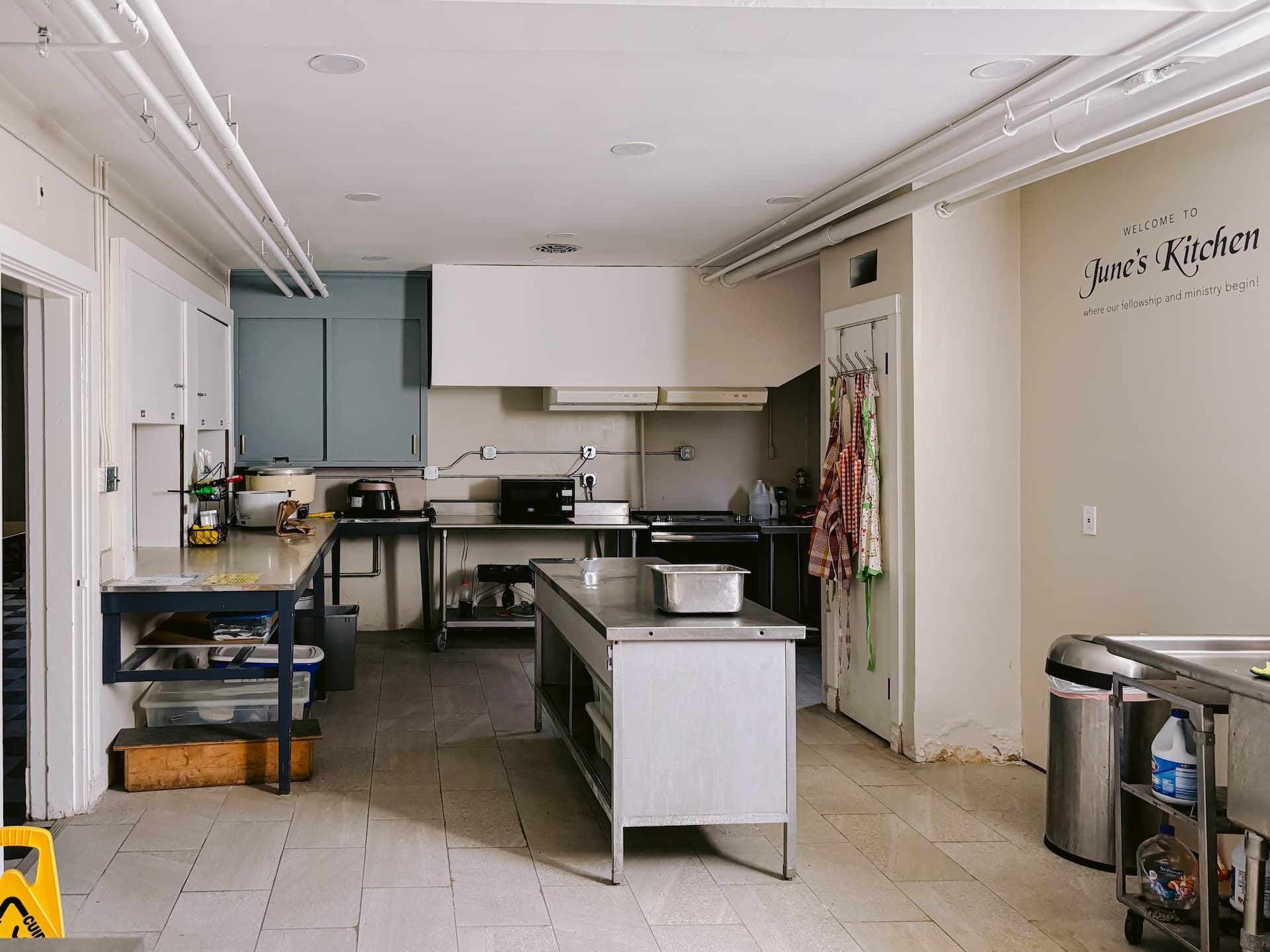
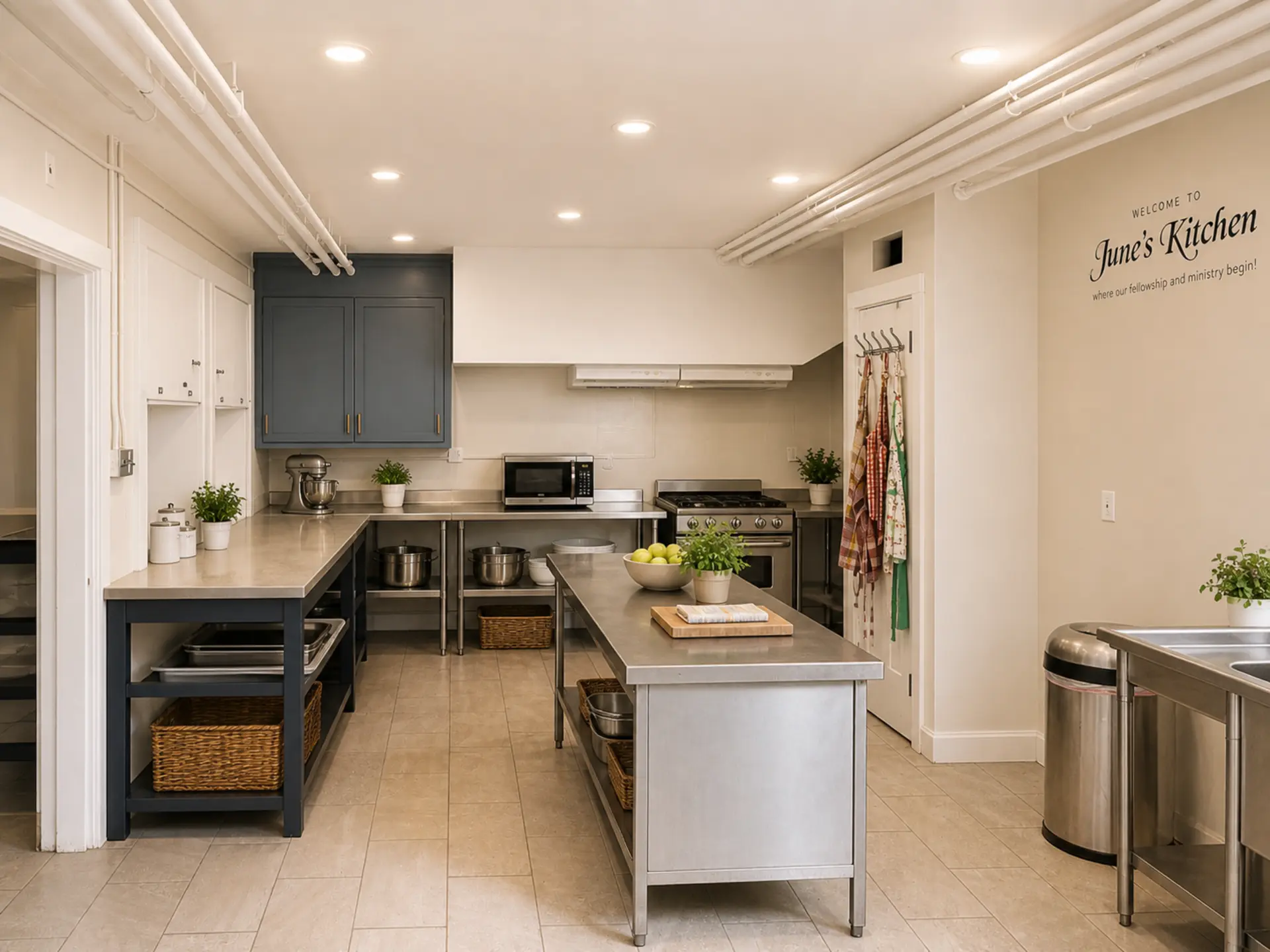
Shows how the existing kitchen infrastructure could read as a cleaner, more organized support area for recurring food service or events.
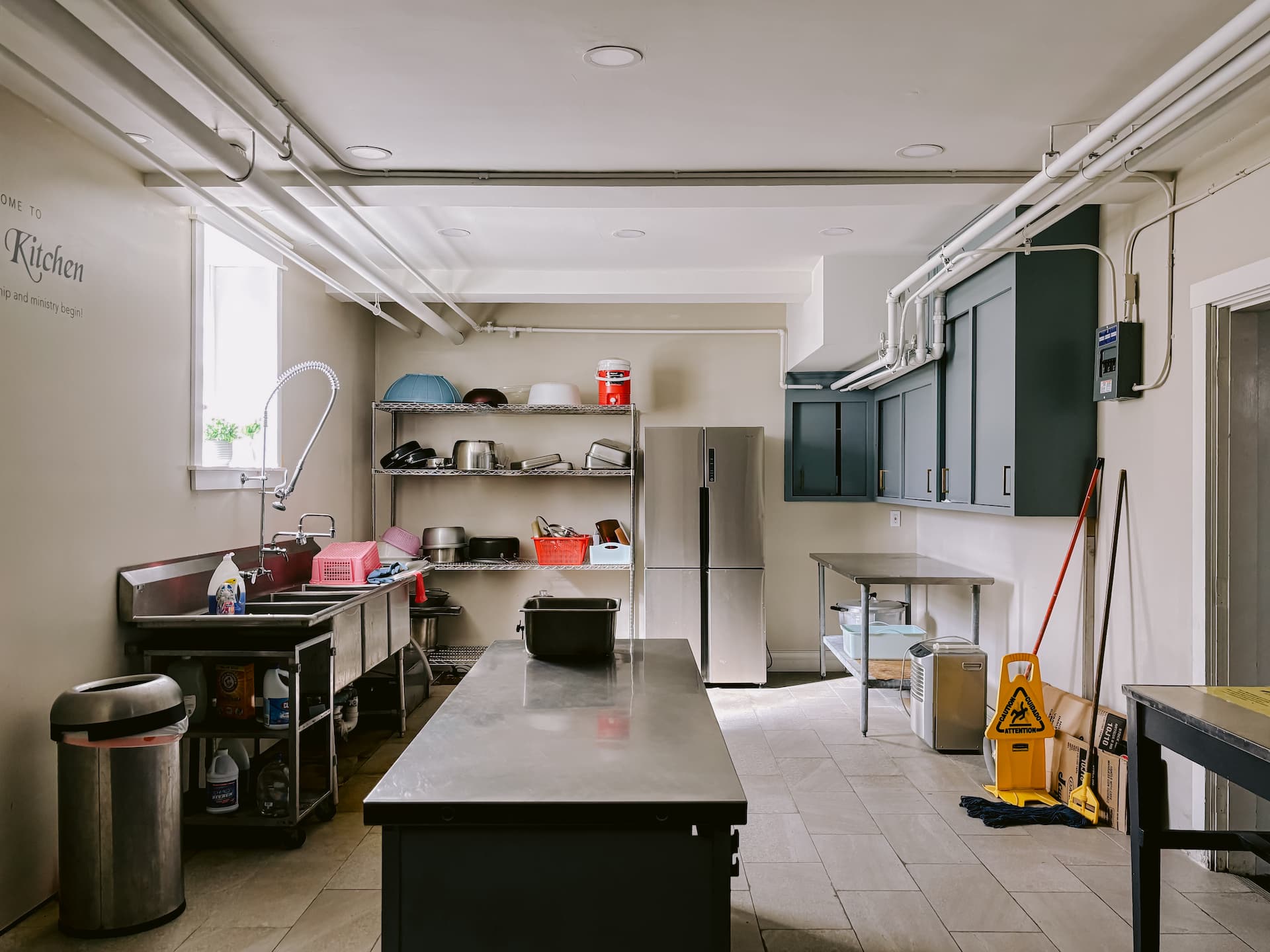
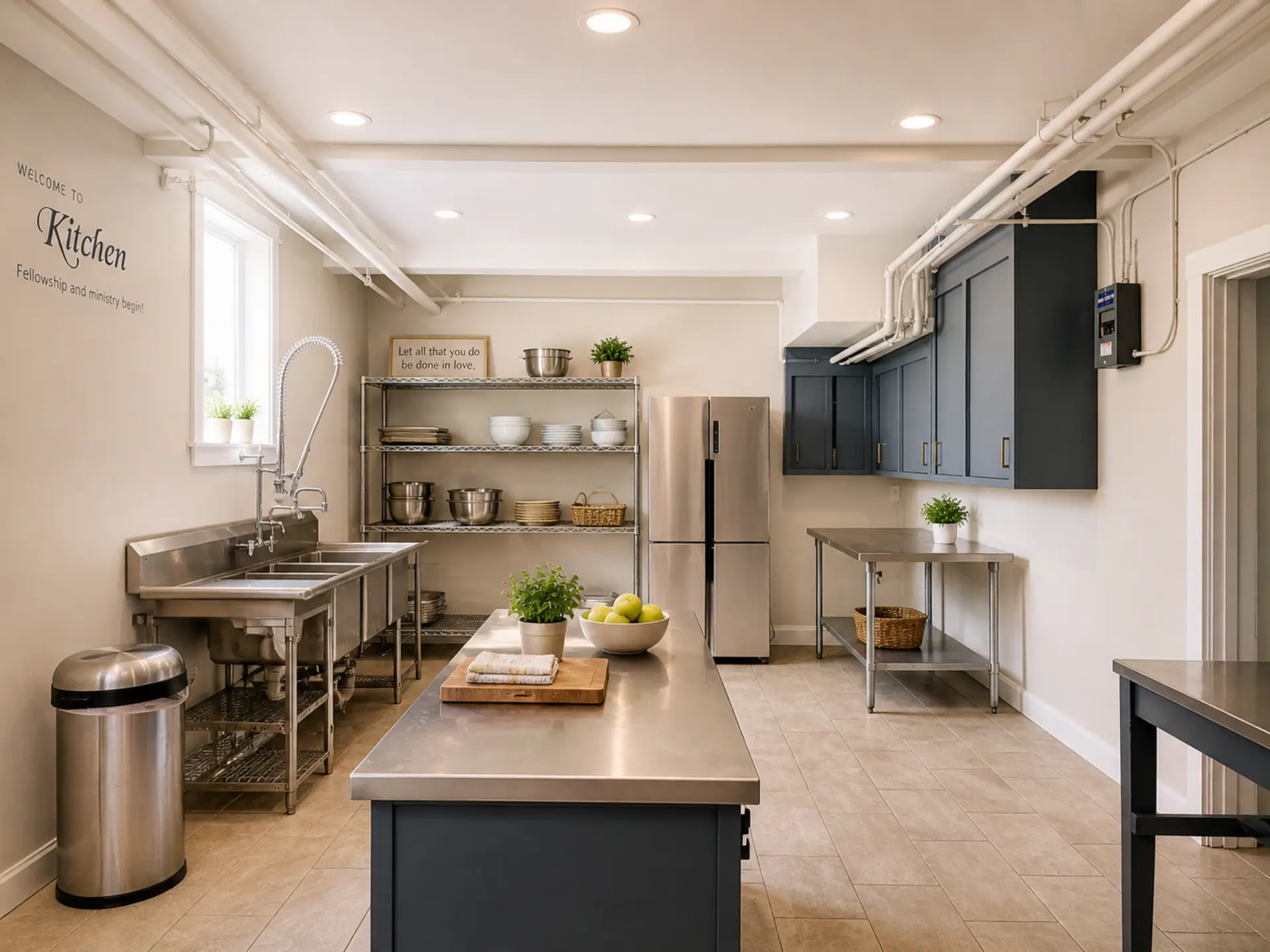
Illustrates a refreshed prep layout using the existing kitchen's stainless surfaces, shelving, sinks, and service circulation.
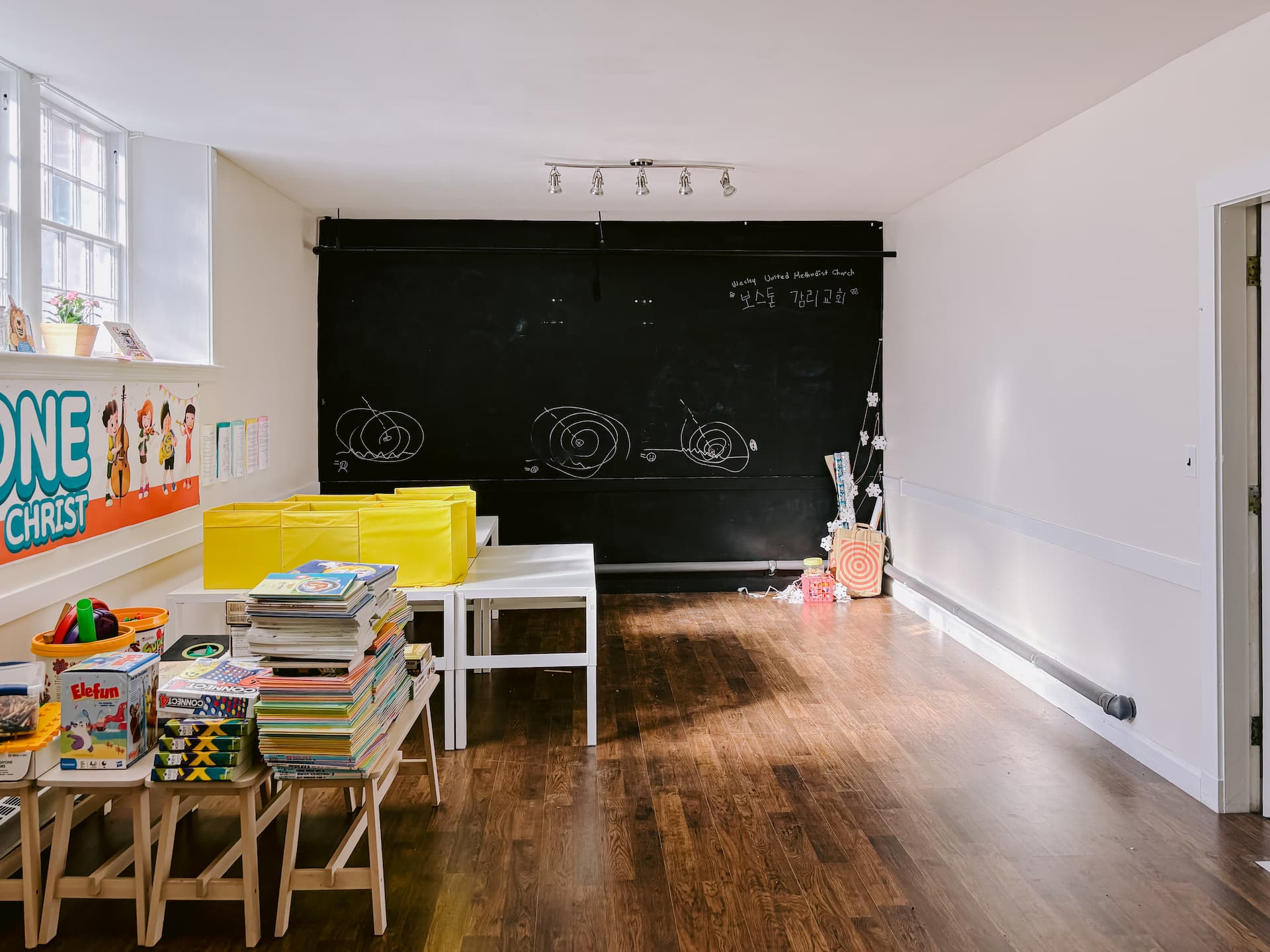
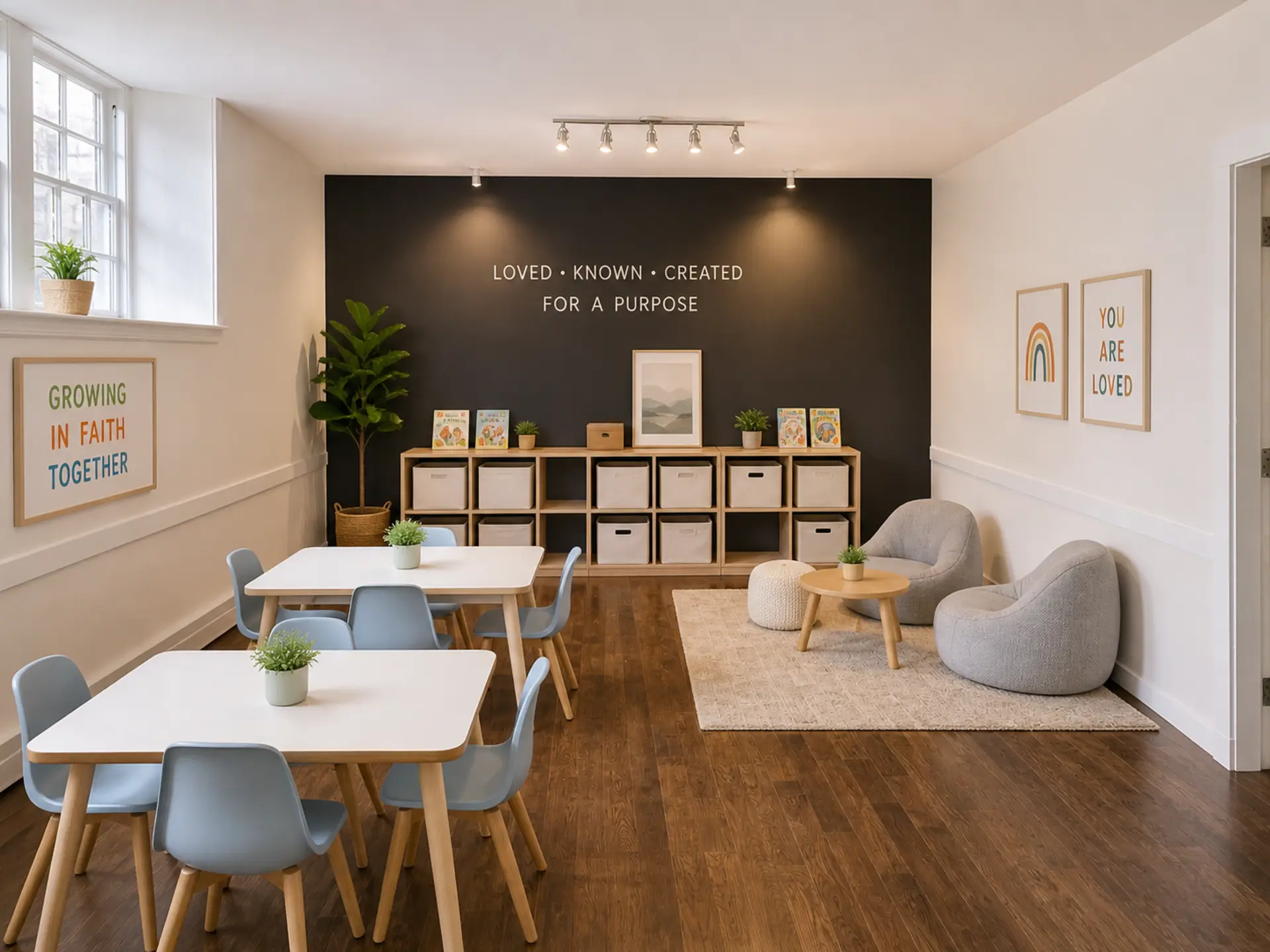
Shows how one of the existing classroom rooms could be presented for preschool, tutoring, or small-group use.
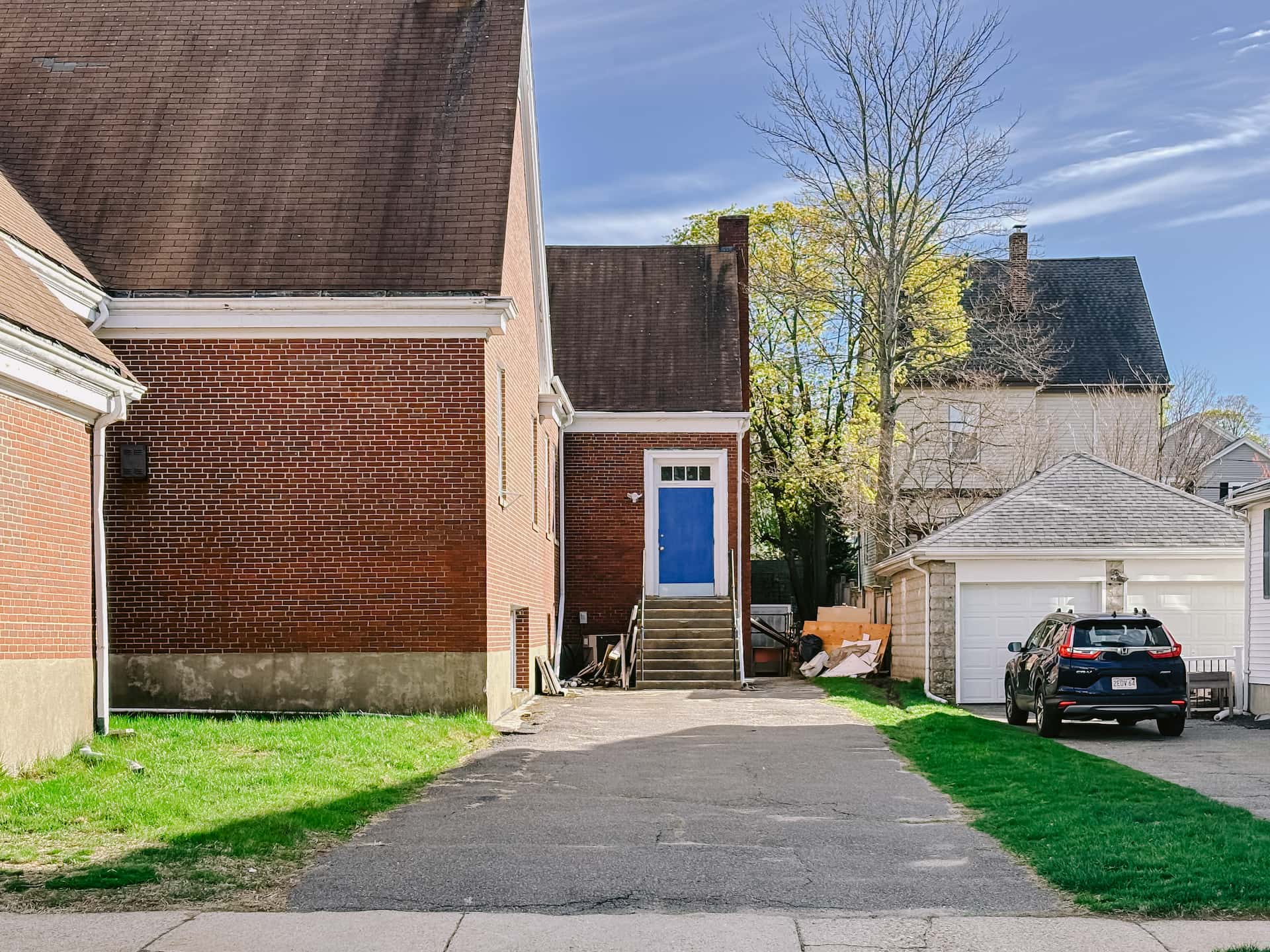
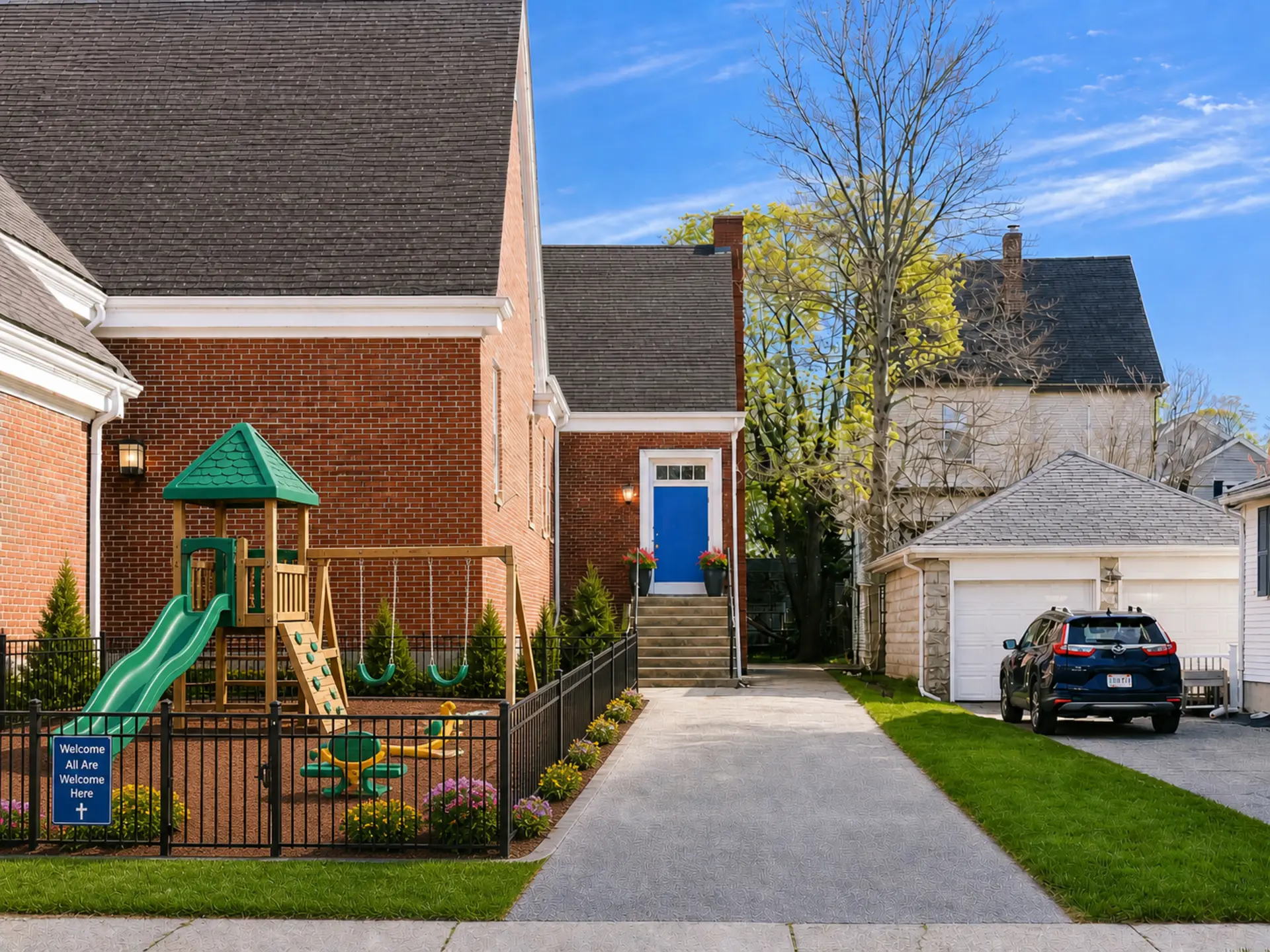
Shows one possible outdoor-use concept for family, school, daycare, or church programming subject to approvals and site feasibility.
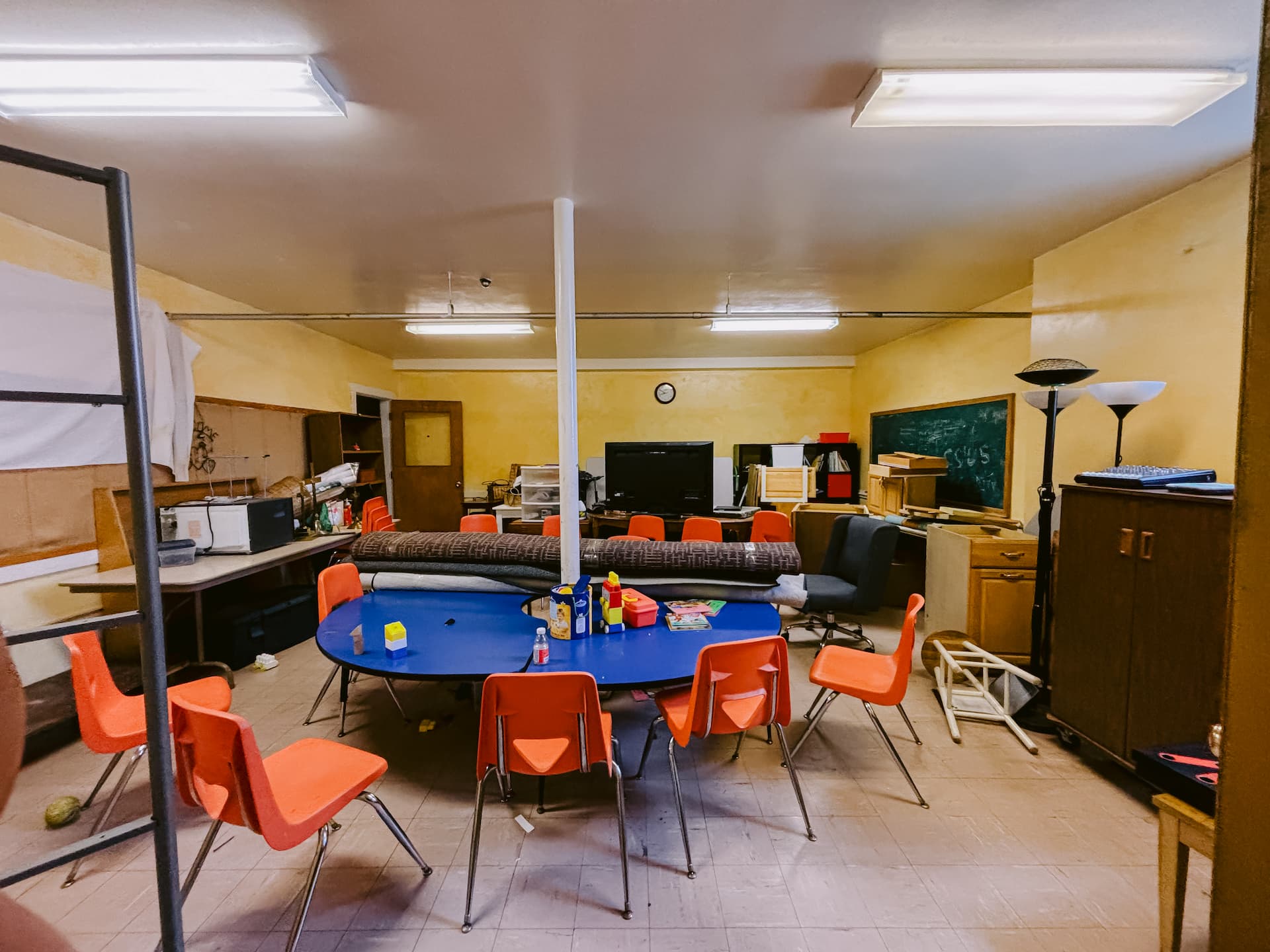
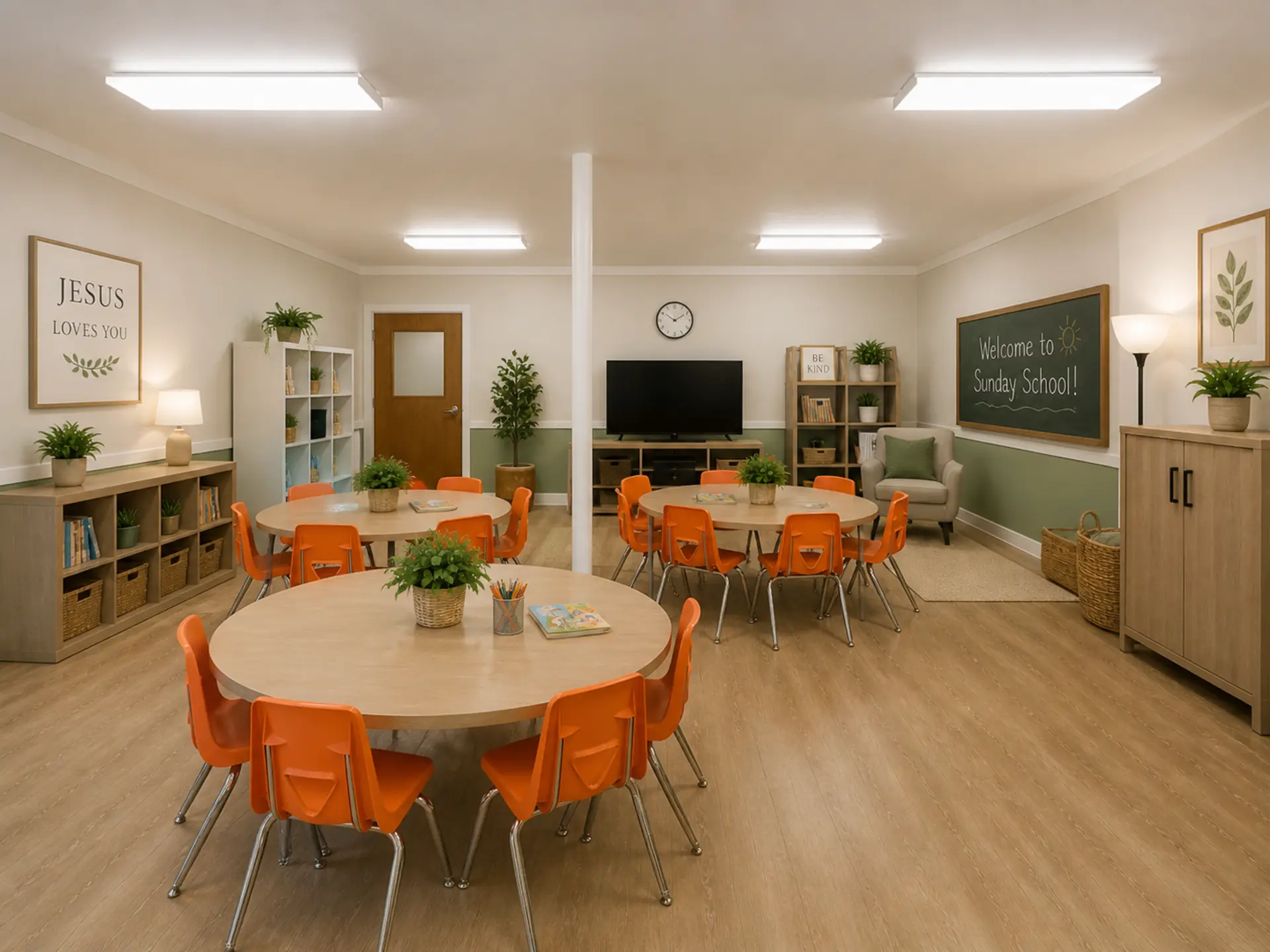
Shows a classroom finish strategy with organized storage, child-scale furniture, and simple visual structure.
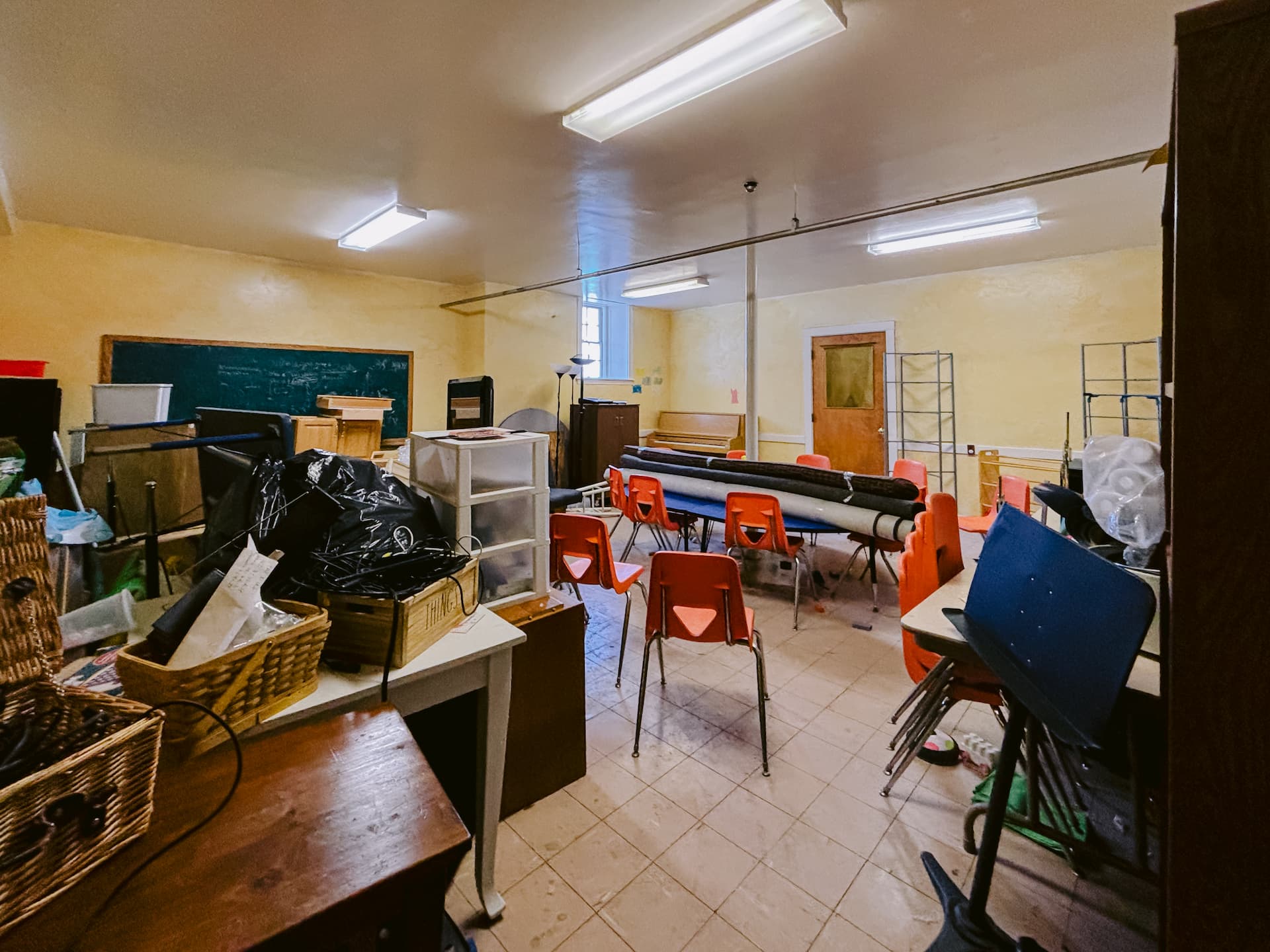
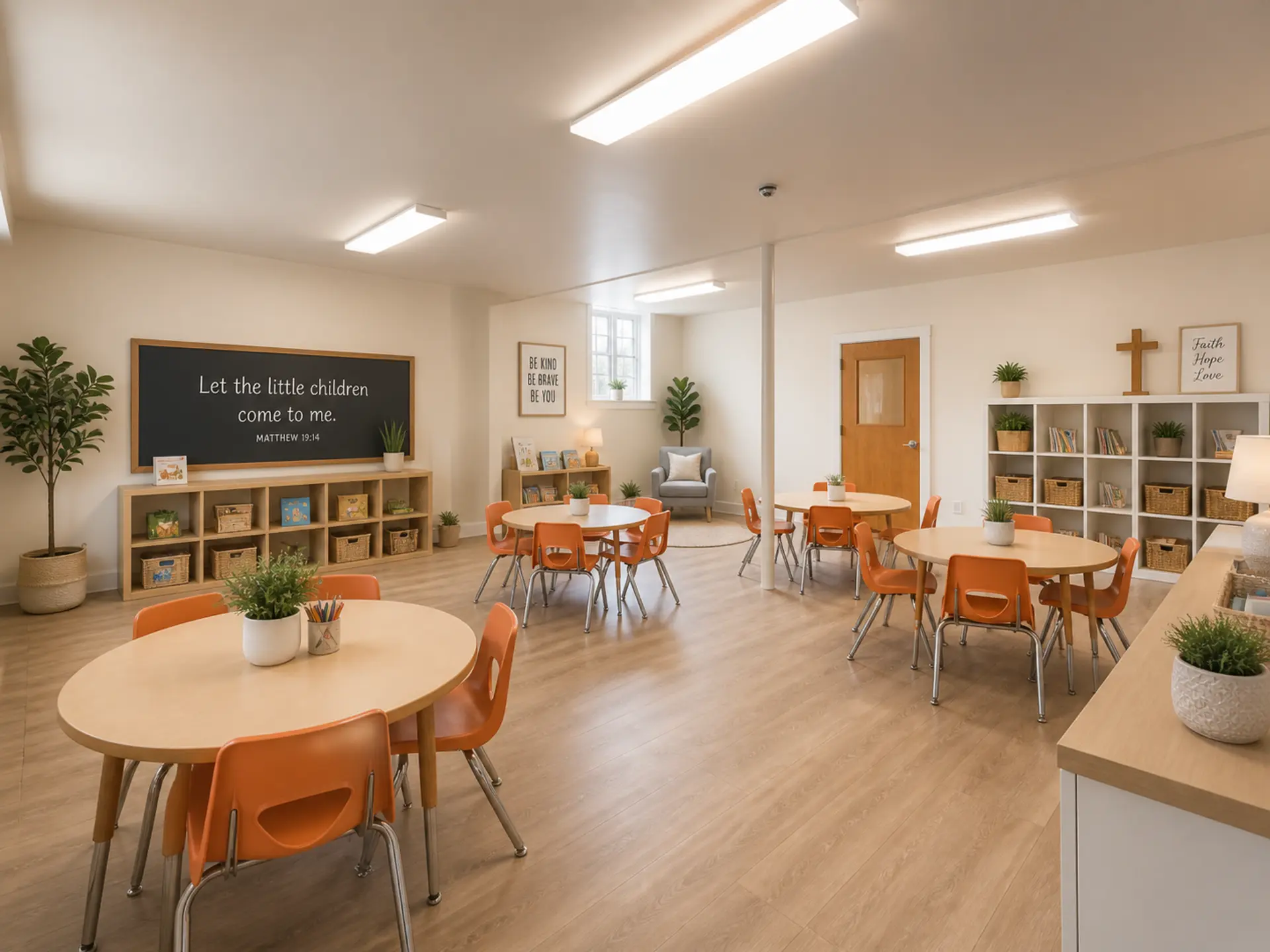
Shows another education-oriented layout for small groups, Sunday school, daycare, or nonprofit programming.
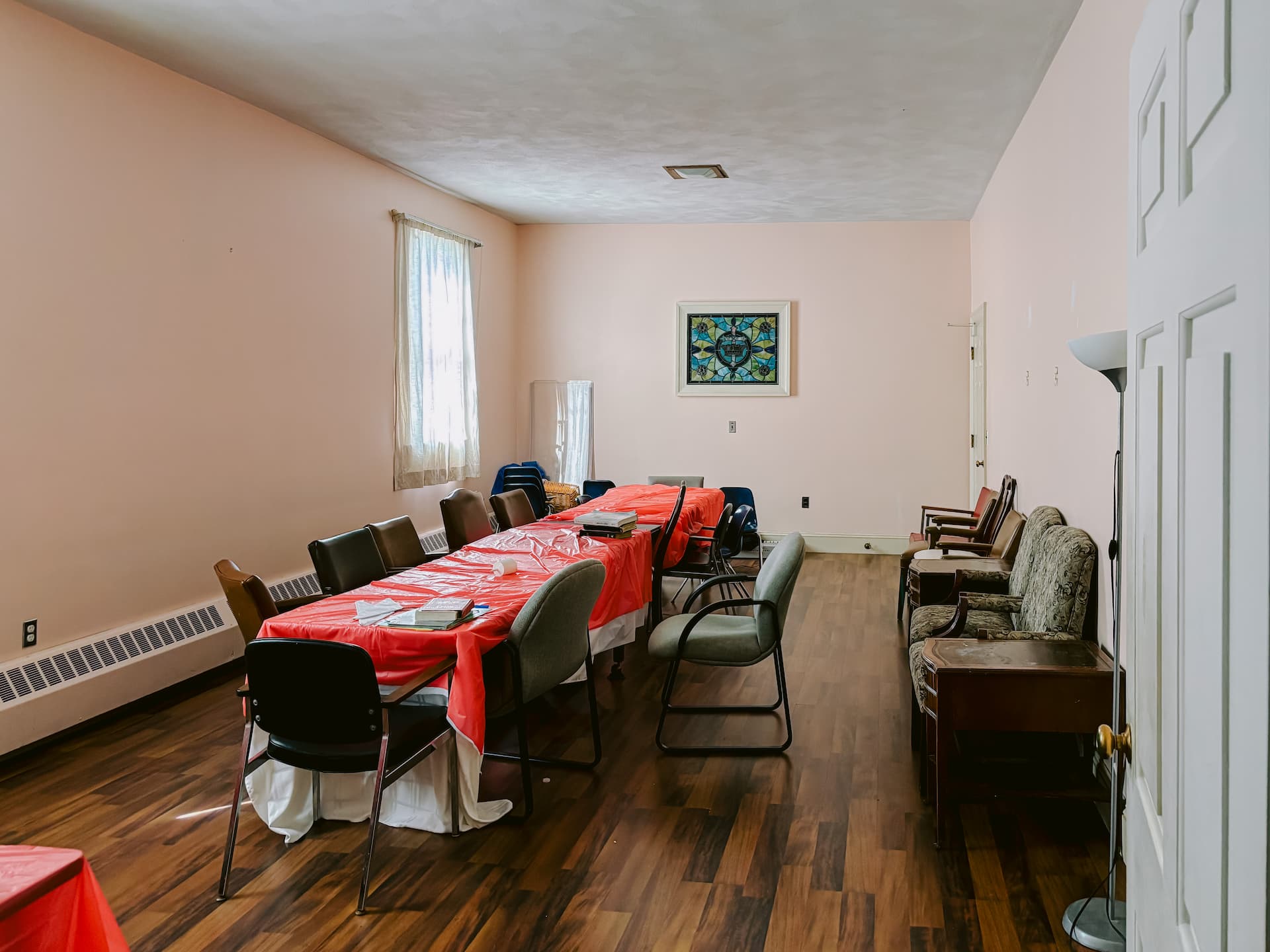
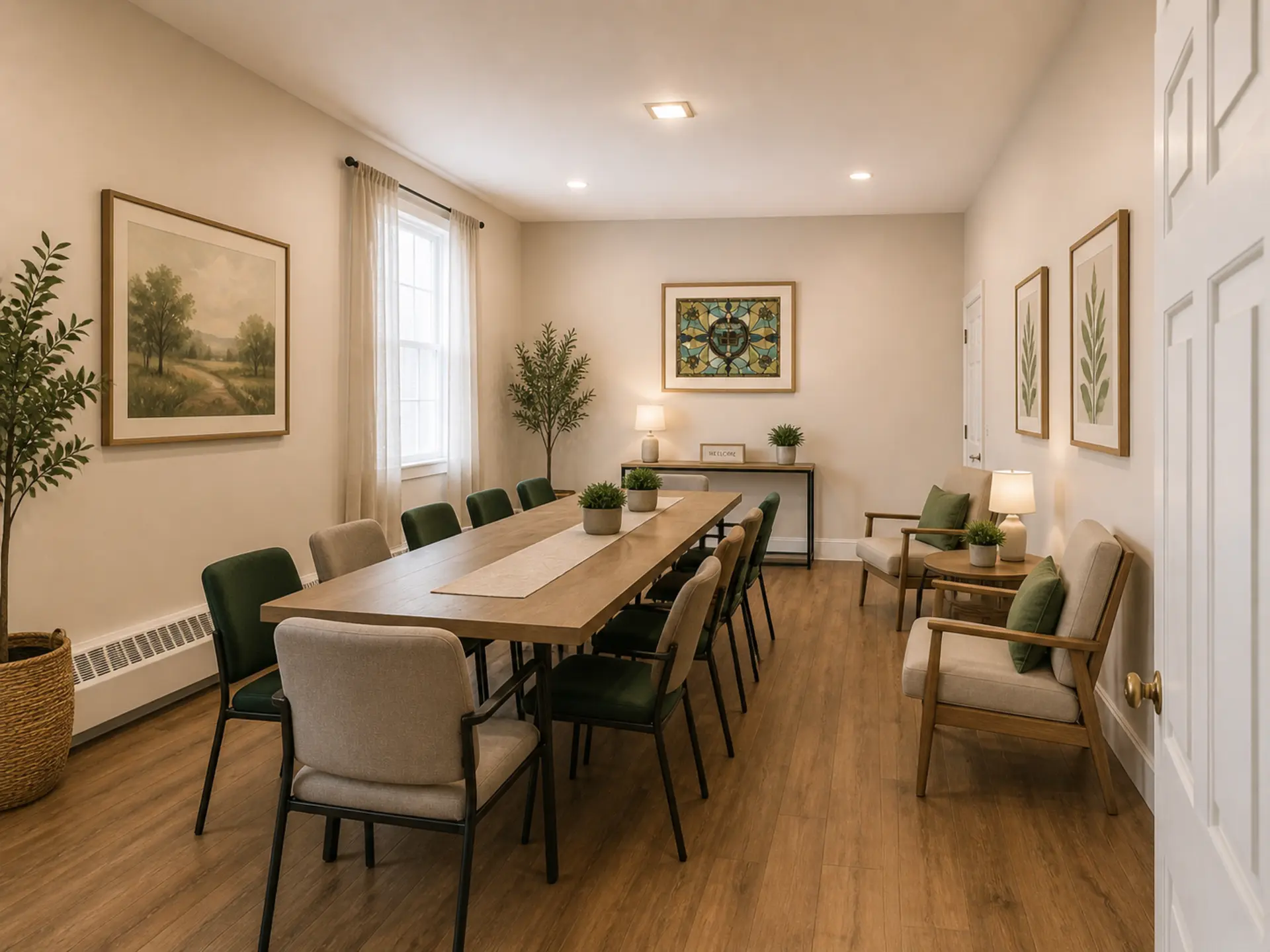
Shows a meeting-oriented configuration for board meetings, counseling, ministry teams, or nonprofit administration.
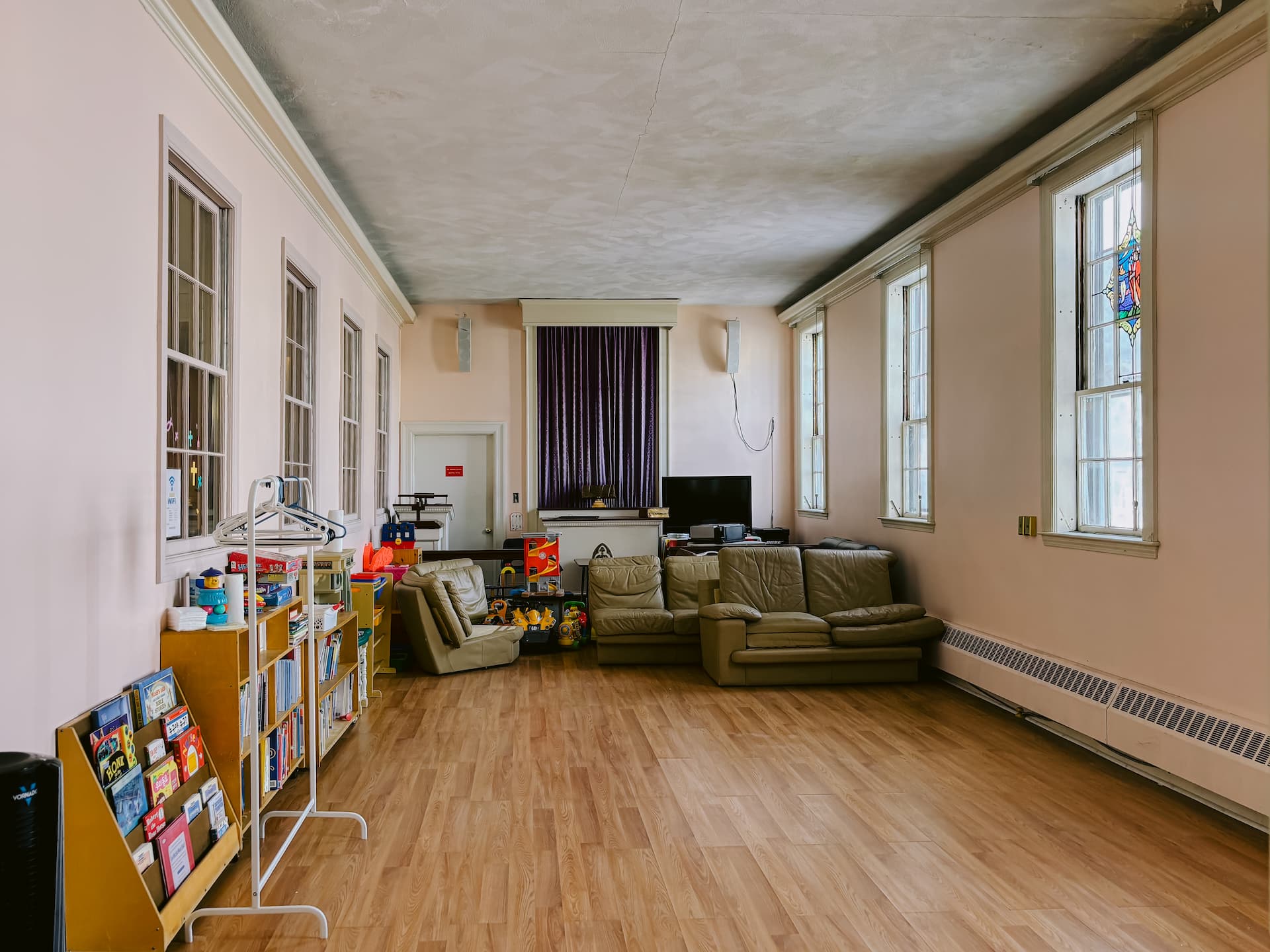
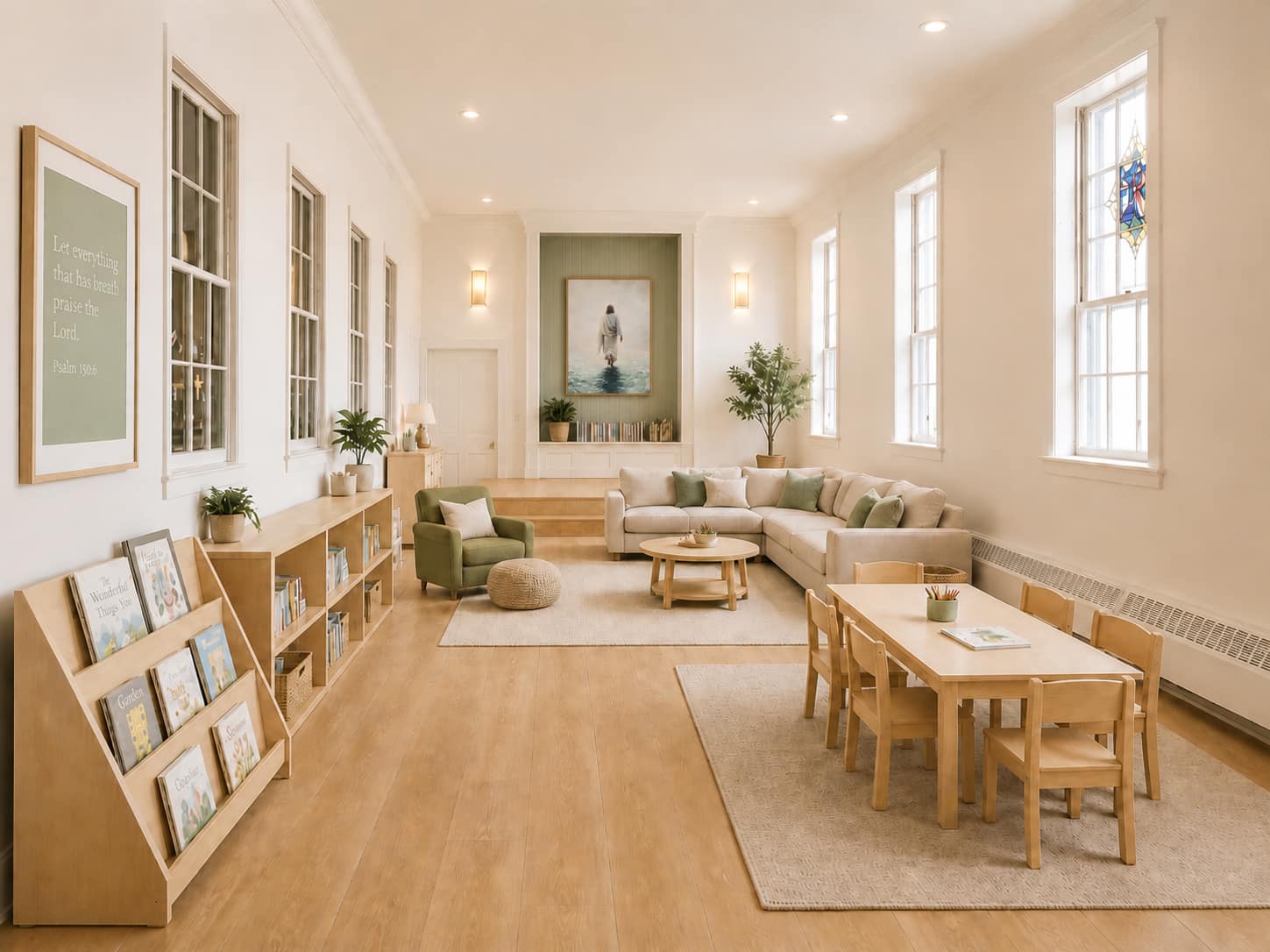
Shows a cleaner room presentation for nursery, family, education, or small-group programming.
Potential images are virtually staged concept visuals provided only to help church leaders imagine possible use of the spaces. They may not be accurate in style, layout, finishes, dimensions, code compliance, cost, feasibility, or permitted condition, and are not plans, approvals, construction drawings, or representations of completed or permitted improvements.
Assembly Spaces
Kitchens and Support
Classrooms, Offices and Circulation
Exterior and Site Access
Church Leadership Fit
A church purchase is rarely decided by one person. This section frames the property around the groups who typically need confidence before a congregation moves forward.
The address gives a congregation a visible Medford location, an existing sanctuary, multiple ministry rooms, and enough building depth to imagine more than Sunday services alone.
The property offers a clear board narrative: worship space, fellowship space, classrooms, kitchens, parking, transit access, and a separate parcel that supports operations rather than complicating them.
The building's room count creates practical ways to offset carrying costs through partner congregations, weekday programs, nonprofit users, and recurring ministry tenants without abandoning church use.
Sanctuary, auditorium, classrooms, fellowship hall, kitchen areas, offices, and parking create room for worship, youth, children, prayer, classes, meals, care, and community partnerships.
Board Evidence
The strongest case for a church acquisition is not speculation. It is the practical combination of existing ministry infrastructure, parking control, transit access, and room programming that can serve both worship and weekday use.
The building is already a church facility, which gives leadership a clearer starting point than a retail, office, industrial, or residential conversion.
Worship space, auditorium, fellowship hall, classrooms, offices, and kitchen areas support a full weekly ministry calendar rather than a one-room solution.
Partner churches, preschool or after-school use, nonprofit tenants, recovery groups, tutoring, and community meetings can help support carrying costs.
Dedicated parking helps older members and families, while Green Line access broadens reach to students, staff, volunteers, and urban members.
Tour Checklist
A strong church tour should be more than “does it feel good?” Leadership should walk the building around real ministry operations, capital needs, and financing questions.
Walk parking, entry, sanctuary, children's areas, restrooms, fellowship, and post-service circulation as one connected experience.
Identify life-safety, accessibility, envelope, mechanical, electrical, plumbing, kitchen, and restroom items before discussing cosmetic upgrades.
Assign likely Sunday, weekday, rental, staff, storage, and partner uses so the finance committee can connect ministry activity to ownership cost.
Use & Approval Diligence
The building has religious and institutional history, but every organization should confirm permitted use, parking requirements, life-safety scope, accessibility obligations, food-service requirements, and any municipal process before finalizing an offer.
Church Financing
For a church, lender fit can be as important as rate. Start with institutions that understand commercial real estate, giving history, campaign timing, congregational governance, denominational approvals, and mission-oriented occupancy.
Massachusetts-based commercial lending team with named loan officers and commercial real estate expertise.
View lending teamDedicated nonprofit banking team offering tax-exempt and traditional financing, bridge financing, working capital lines, equipment loans, and acquisition or construction loans.
View nonprofit solutionsNonprofit-focused commercial lending and banking, including term loans, lines of credit, tax-exempt bonds, deposits, cash management, and related advisory support.
View nonprofit lendingCommercial bank serving businesses, religious institutions, and nonprofits, with faith-based funding for building or updating facilities.
View Cass BankMinistry banking platform with real estate loans, equipment loans, lines of credit, vehicle loans, share-secured loans, and term loans.
View CCCUFor churches, a loan from the denomination or affiliated church extension fund may also be an option if that ministry offers lending. These lenders often understand congregation giving, campaigns, and church governance better than a general bank.
Example requirementsIt is also worth checking with the bank or credit union where the organization already has accounts. An existing deposit, treasury, or lending relationship may help the lender understand cash flow, giving history, reserves, and operating patterns more quickly.
Start with your relationship managerOwnership Sustainability
One other thought worth sharing: there are practical ways to make ownership more financially sustainable long-term. Wesley Church has been a strong example of this: sharing space with congregations that worship at different times, turning idle hours into both income and Kingdom partnership.
Share space with partner churches that need a home on weeknights or Sunday afternoons. Even one partner congregation can offset a meaningful portion of monthly carrying costs.
Partner with a licensed preschool, daycare, or after-school program to use the building during weekday hours, generating consistent rental income throughout the school year.
Host established nonprofit partners such as tutoring centers, recovery groups, or community organizations that already budget for recurring meeting space.
Something many church borrowers do not realize: some lenders may count signed or projected rental agreements in loan review, which can improve the terms the organization qualifies for. Lining up even one or two tenant commitments before closing can make the bank process smoother and strengthen the church's position.
If the church owns a property currently being used as a parsonage, that can sometimes be a helpful piece of the puzzle. Some churches borrow against it to supplement the down payment; others sell it and transition pastoral housing to a rent arrangement. Both approaches are common and can meaningfully reduce what the congregation needs to bring to closing.
Next Steps
If this property appears to fit your ministry vision, the next step is a focused leadership walkthrough and early lender conversation. The goal is to determine whether the building, operating plan, capital budget, and approval timeline can support a responsible congregational decision.
Tour sanctuary, classrooms, fellowship hall, kitchens, offices, parking, and entrances with the people who know your ministry needs.
Discuss down payment, financial history, giving trends, rental income, campaign timing, and denominational approval before offer timing gets tight.
Map worship use, weekday programs, partner congregations, rentals, capital work, and reserves into one operating plan.
Pricing & Contact
For church leadership teams evaluating a permanent ministry home, contact the listing agent to discuss tour availability, property questions, diligence items, and offer timing.
Venture Real Estate, Inc.
MA License #9553857